








Skip to content
Search
+1 (888) 881-1122 REQUEST QUOTE

Clinical Areas:

Retina and Fundus

Glaucoma and Intraocular Pressure

Myopia Control

Cataract

Meridian Merilas 532 Shortpulse Green Laser Photocoagulator

REQUEST QUOTEor call toll-free (888) 881-1122Financing available — simple terms, no leasing. Ask about it in your quote request.

The Merilas 532nm Green Laser Photocoagulator is equipped with state-of-the-art short-pulse technology, a breakthrough innovation that allows the tissue to cool between laser pulses.

Experience unparalleled versatility in treatment options with the Merilas 532nm Green Laser Photocoagulator. This exceptional device offers a dual treatment modality, giving you the freedom to choose between subthreshold mode and continuous wave delivery. The subthreshold mode utilizes microsecond pulses, ensuring precise and tissue-sparing treatments. On the other hand, the continuous wave delivery mode offers a continuous and consistent laser application. With this flexibility, you have the power to tailor your treatments to the specific needs of each patient.
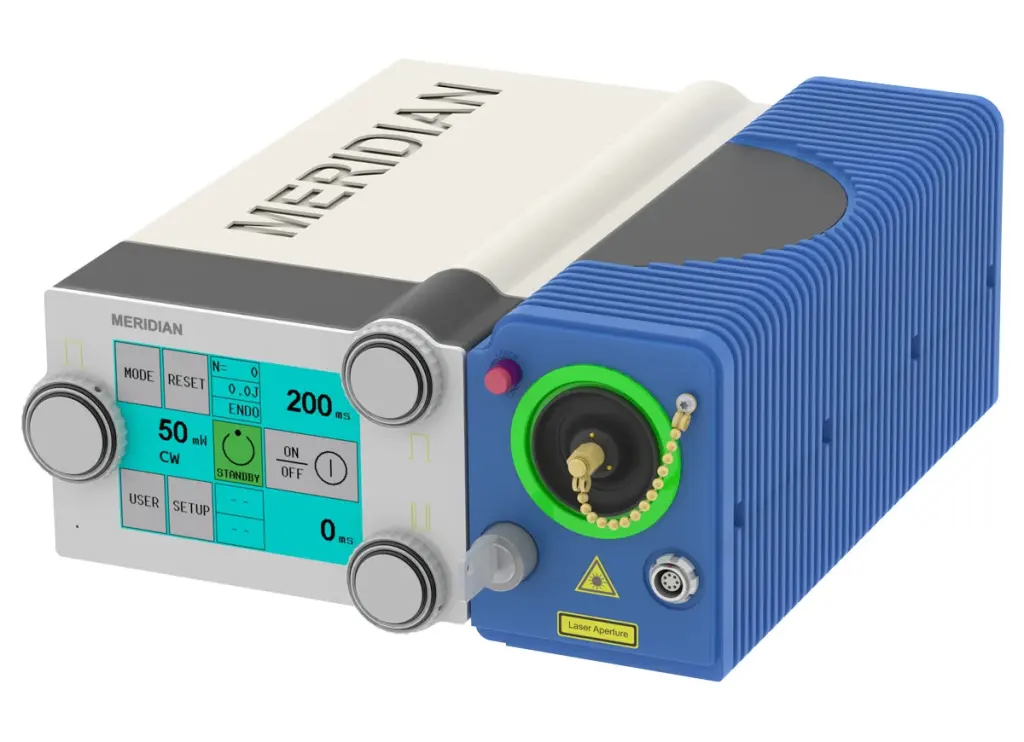
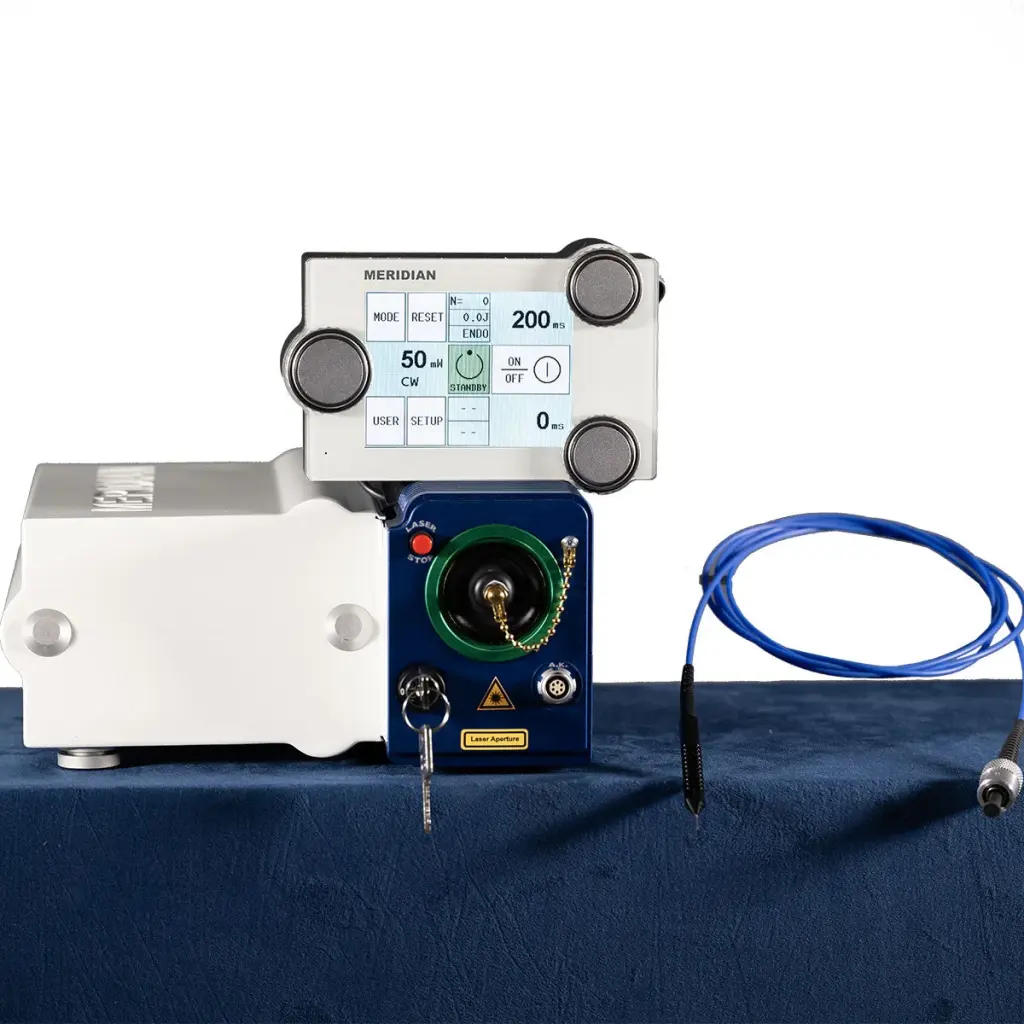
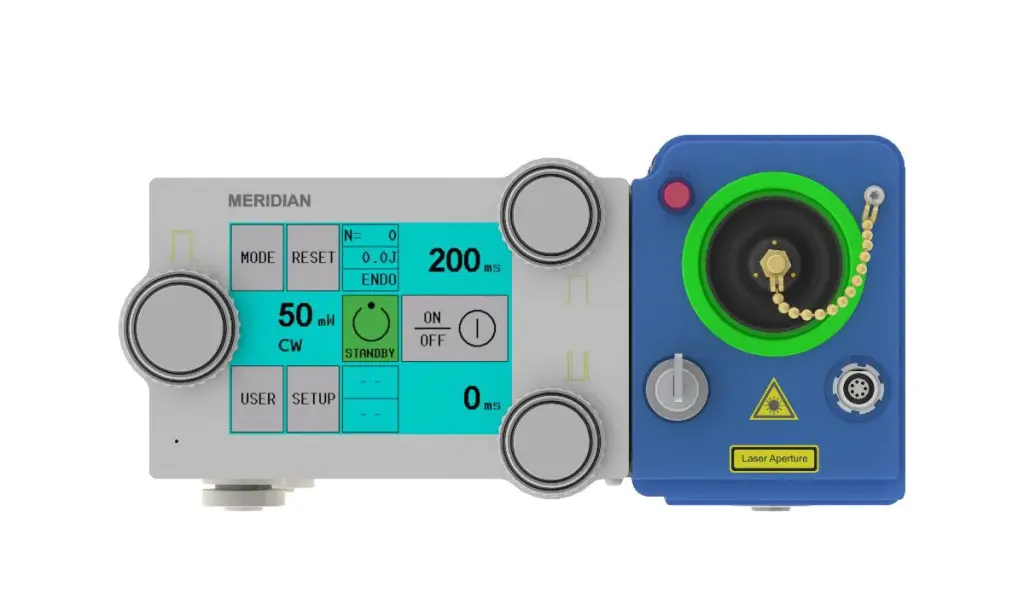
Meridian Merilas 532 green laser photocoagulator console
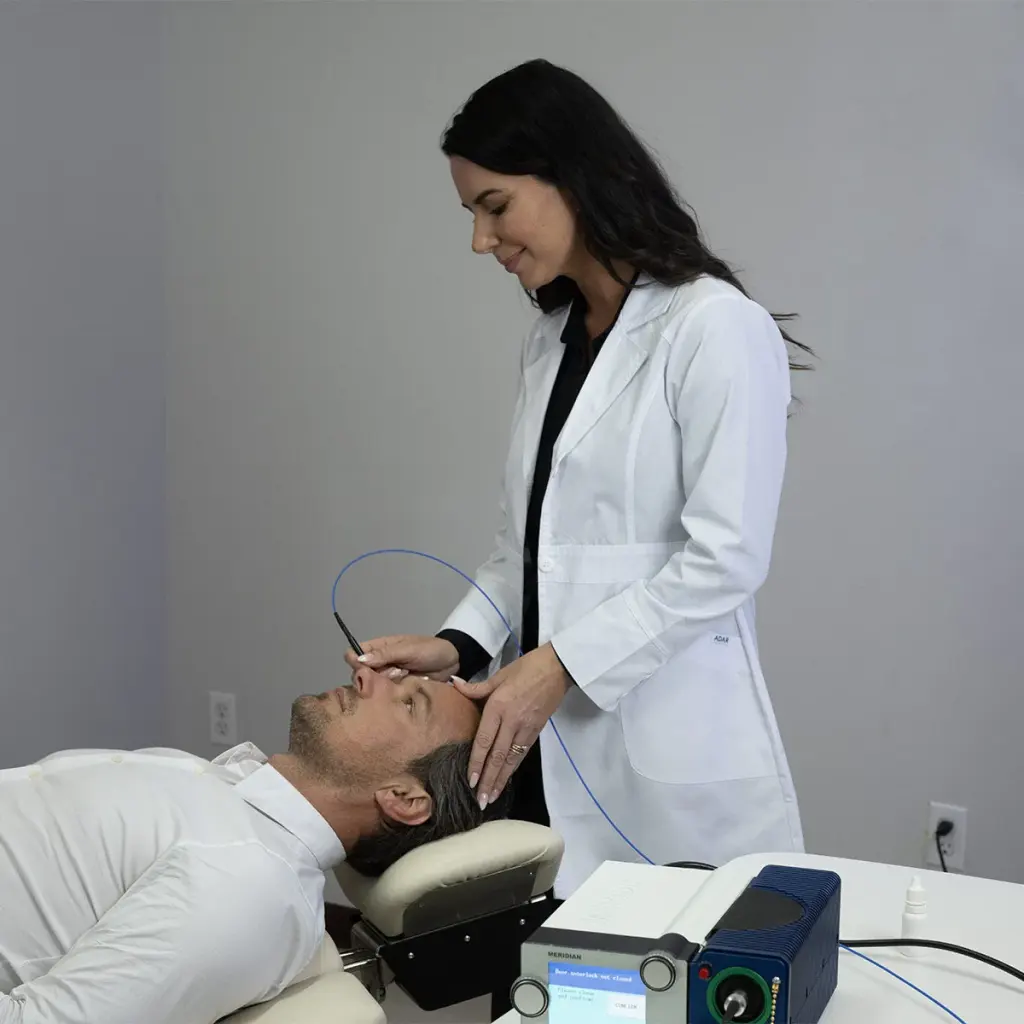
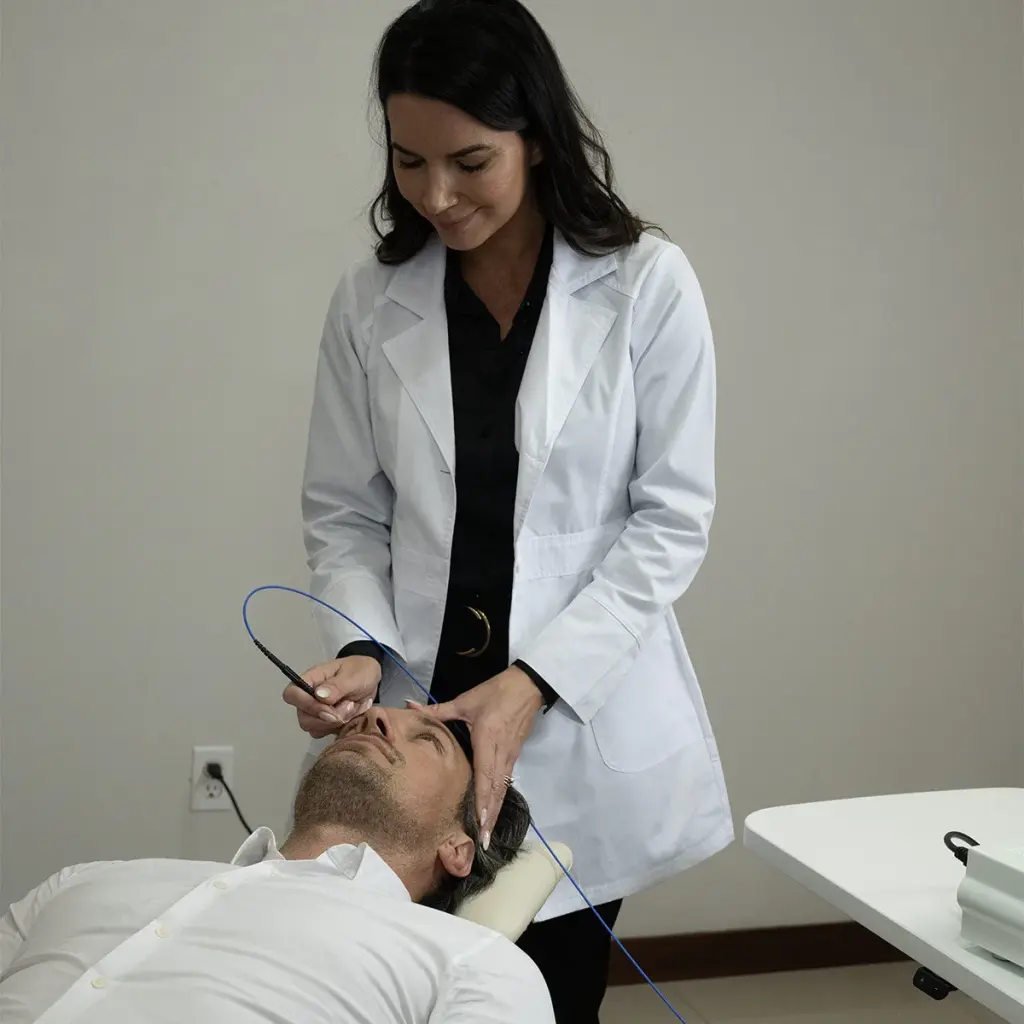
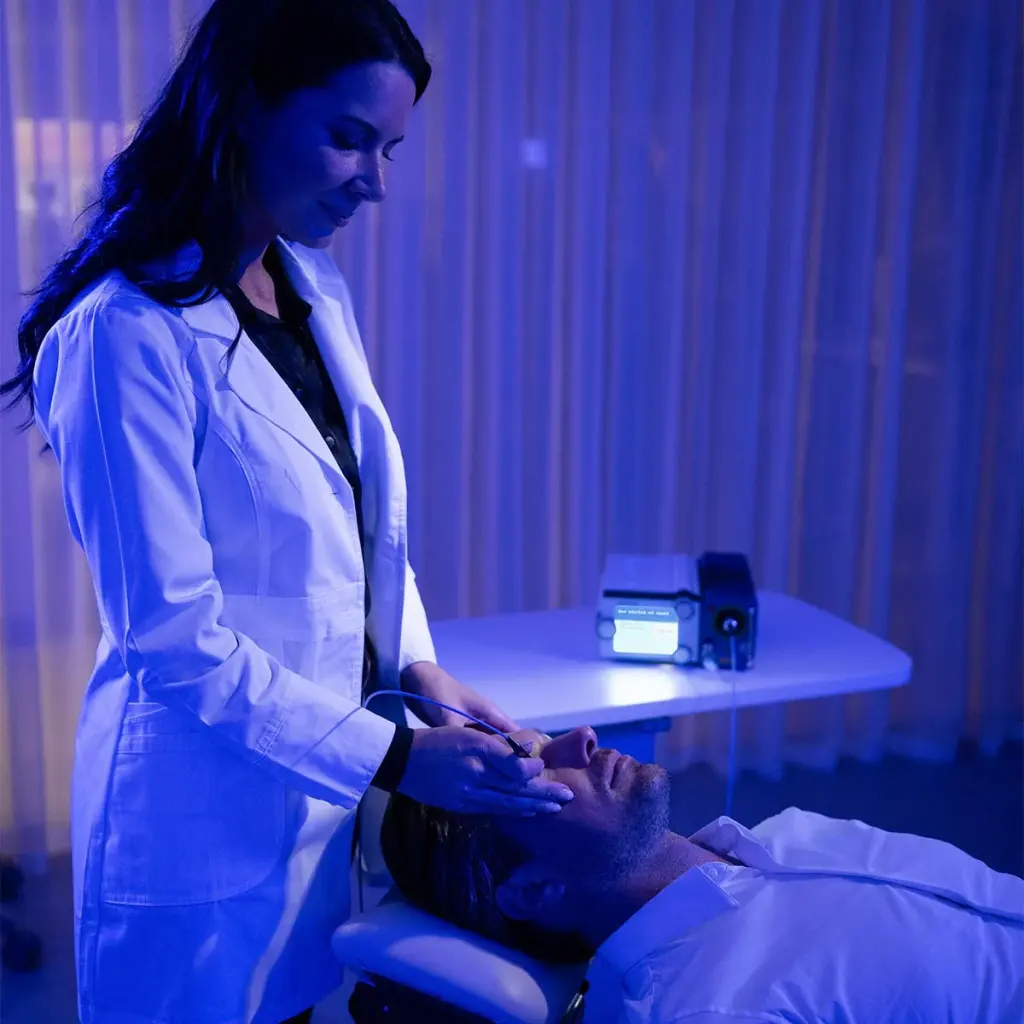
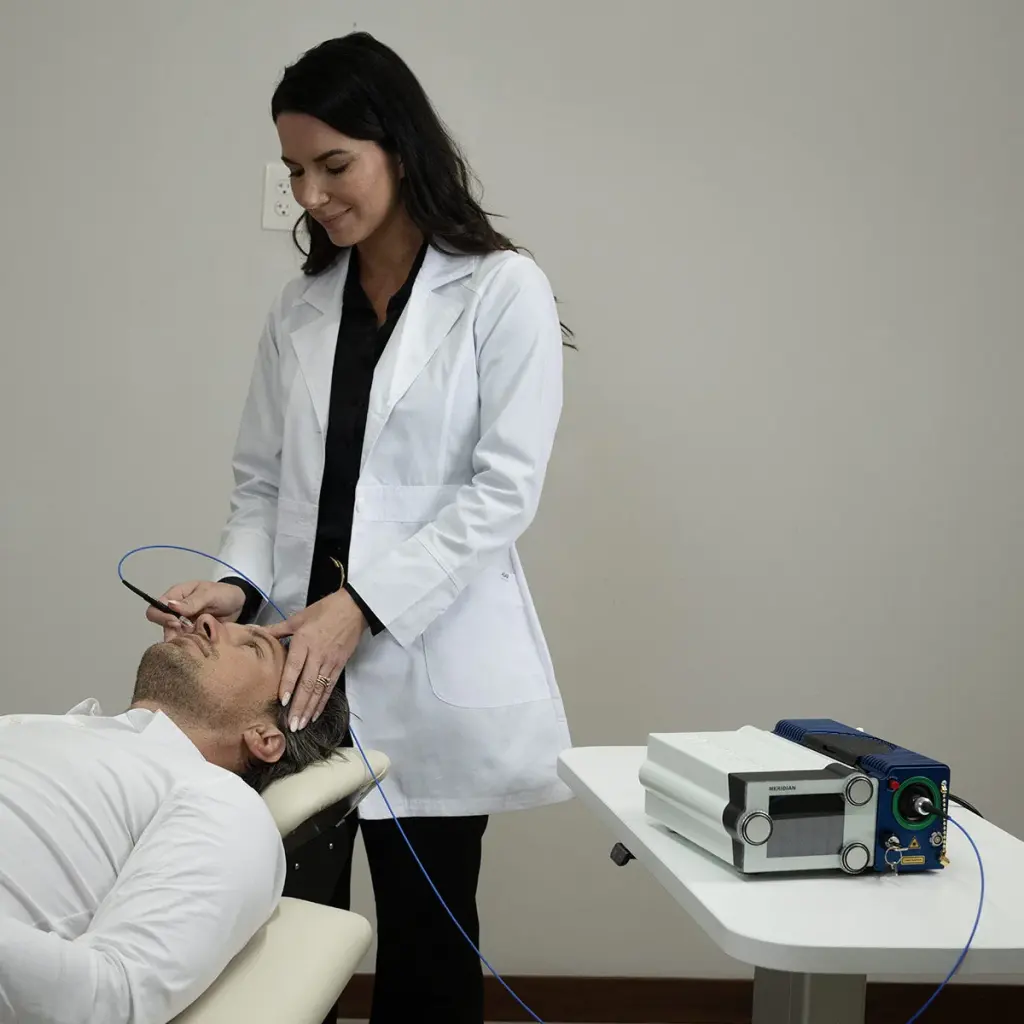
Clinician using a Merilas 532 laser probe with a reclining patient
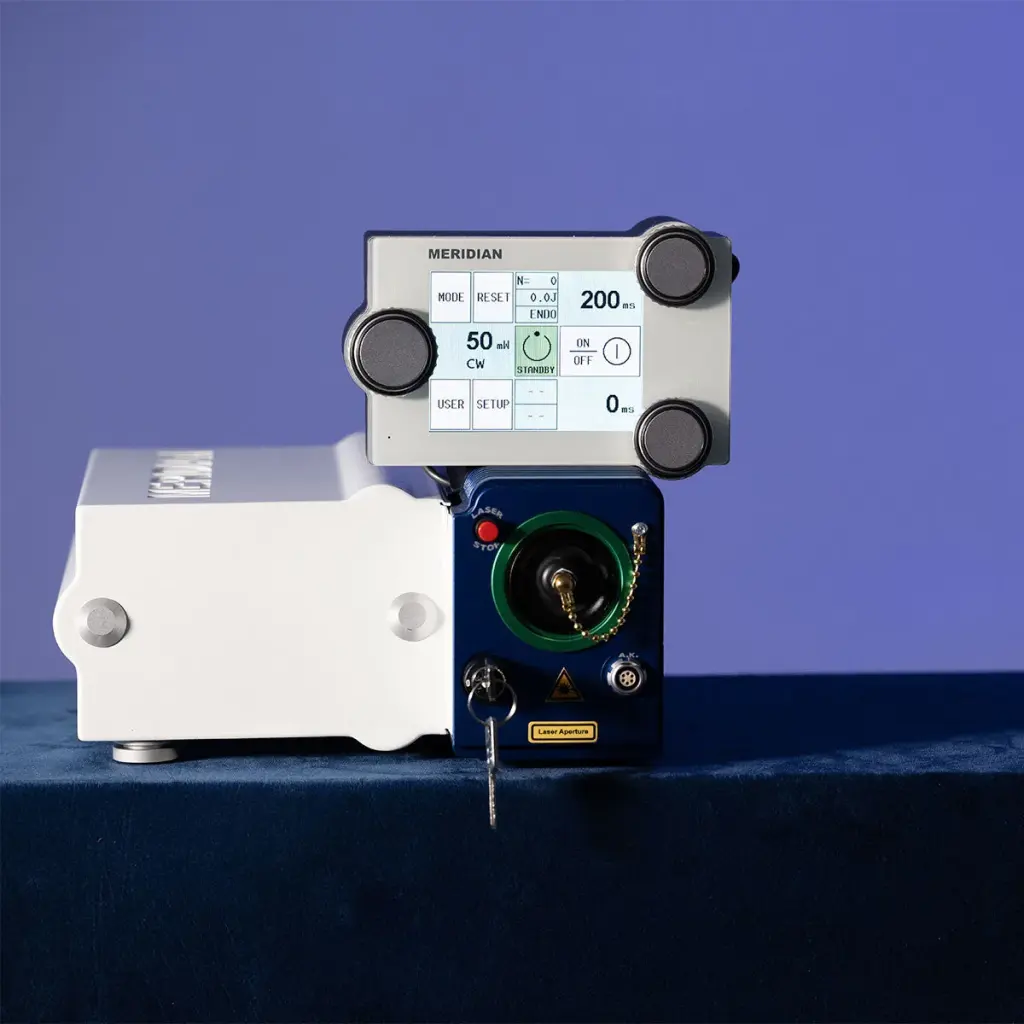
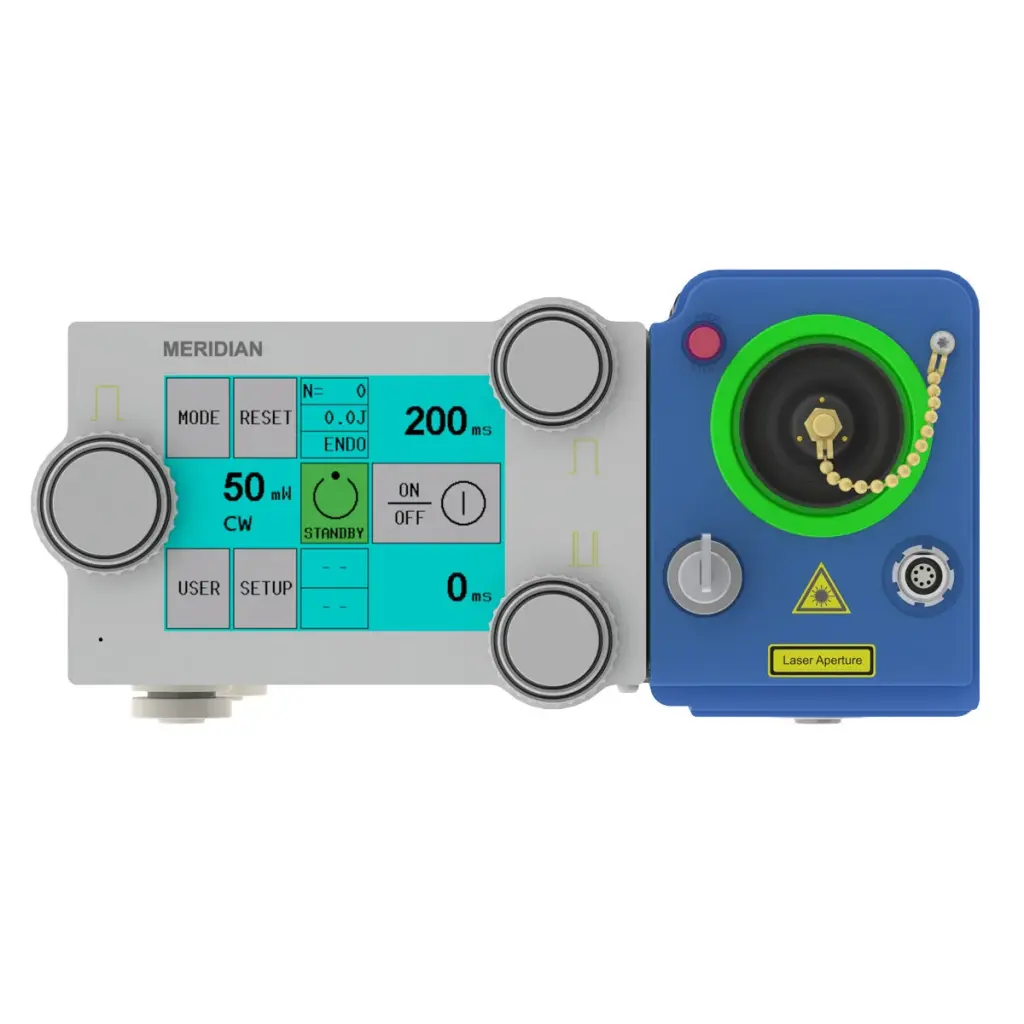
Merilas 532 console with its detachable touch display placed on top
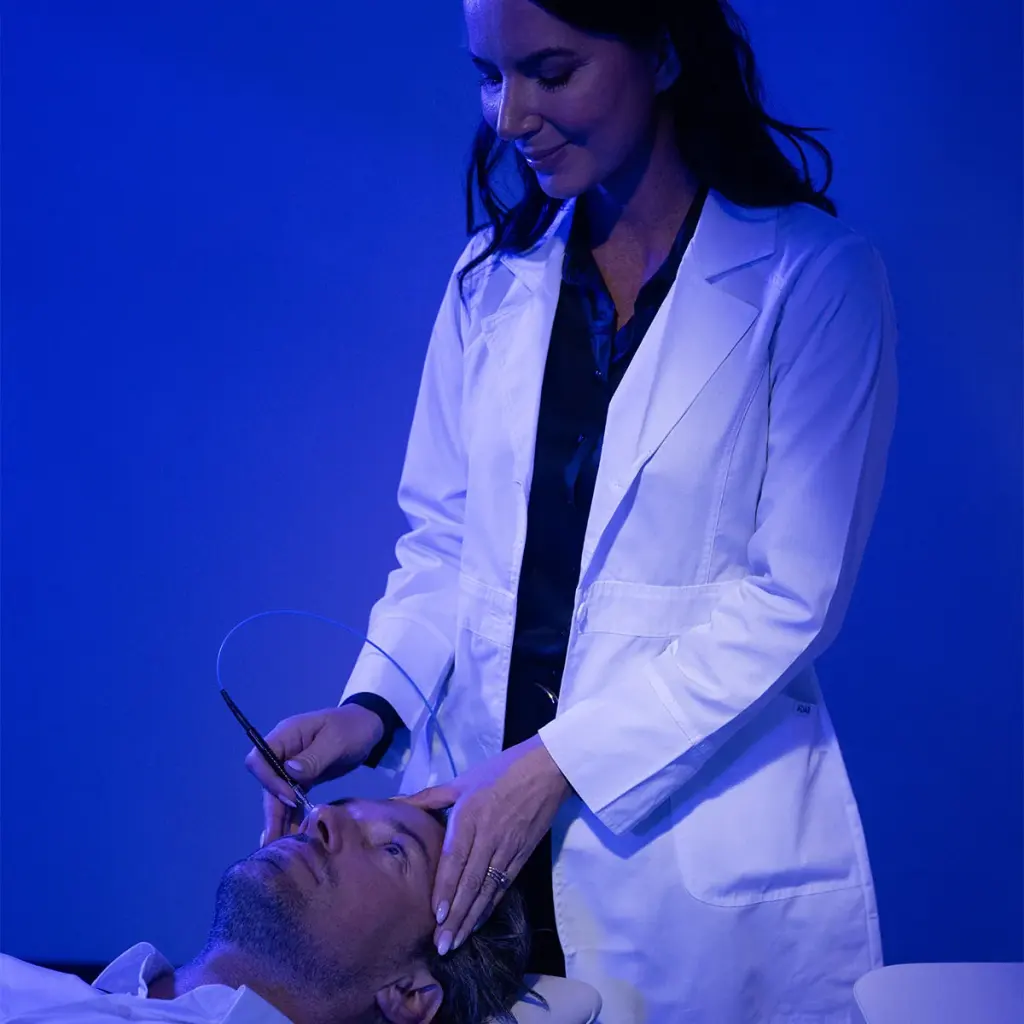
Clinician using the Merilas 532 with a reclining patient under blue lighting
Merilas 532 console, side view of the Meridian housing and control panel
Clinician performing a Merilas 532 procedure on a reclining patient
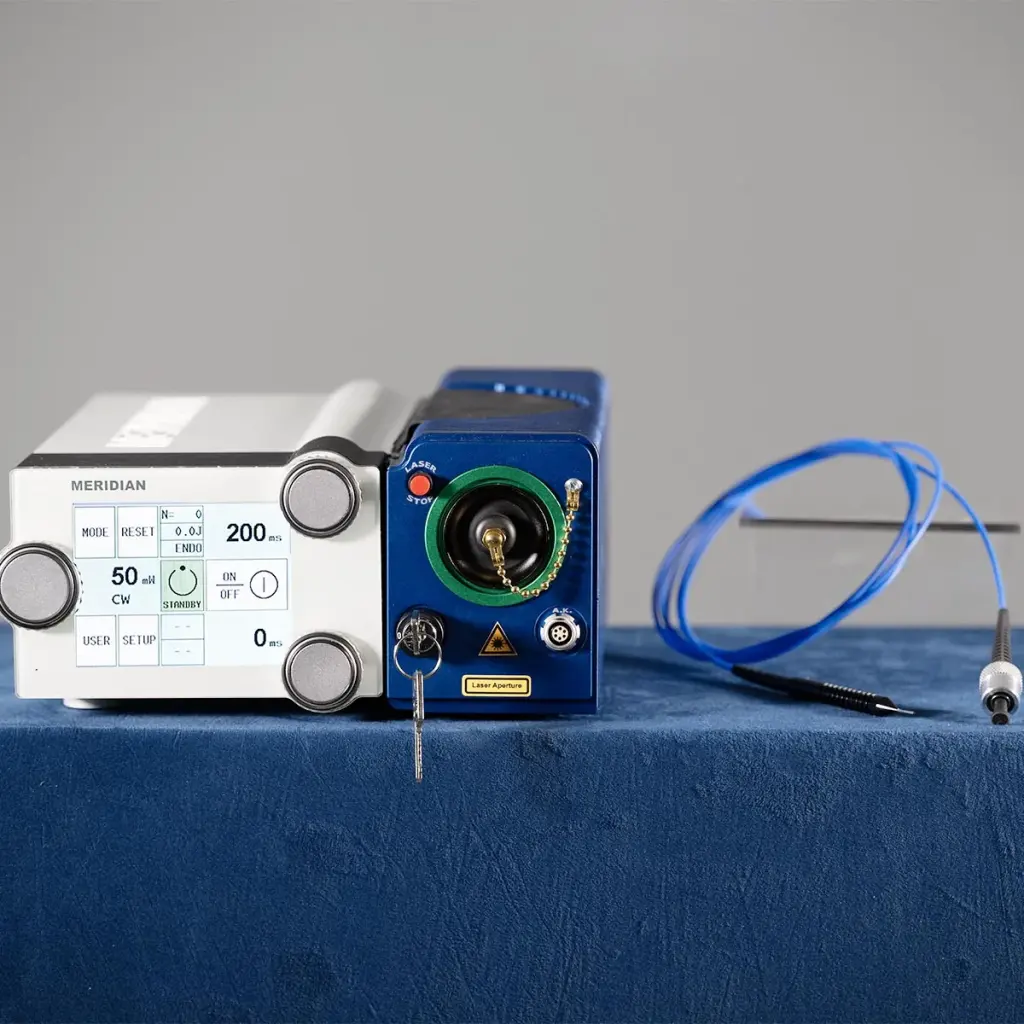
Merilas 532 console with detached display and a blue fiber-optic probe
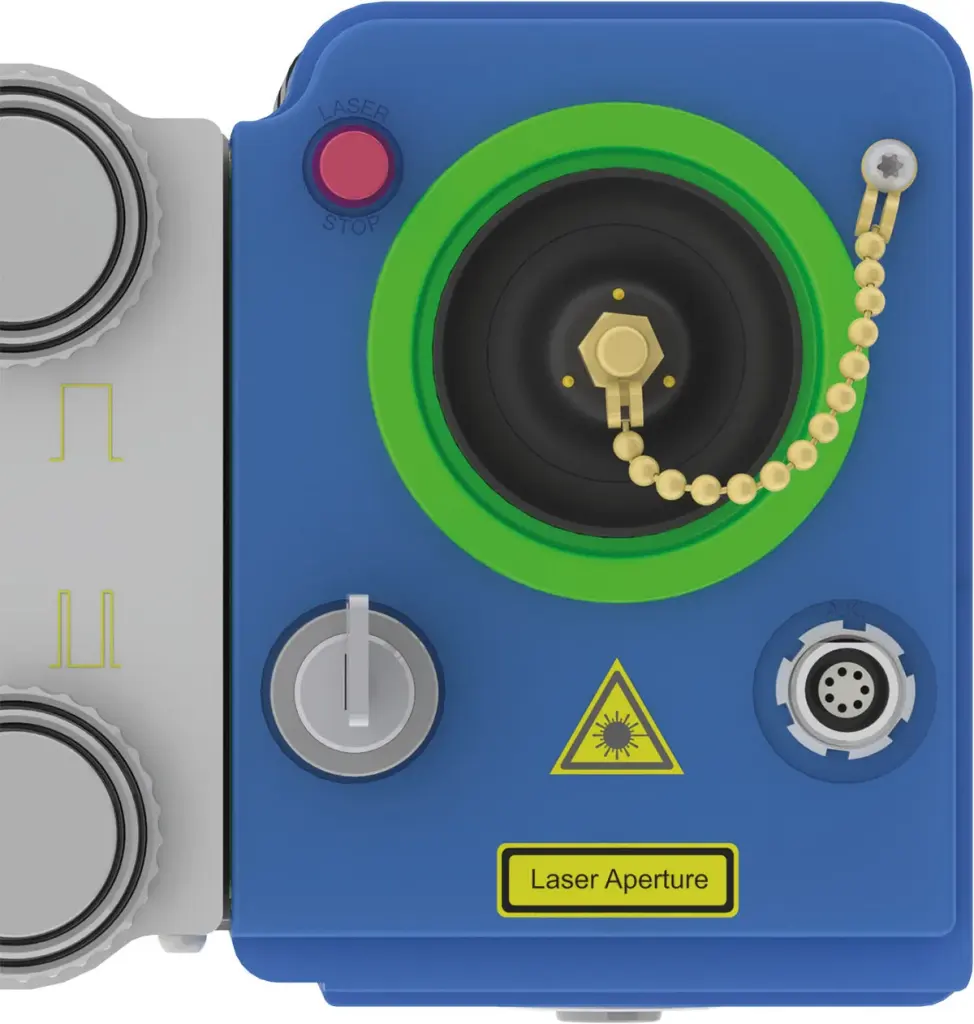
Merilas 532 front control panel and laser aperture
Clinician positioning a Merilas 532 laser probe at a patient's eye
Merilas 532 procedure with the patient lying on a headrest
Merilas 532 console with fiber-optic cables
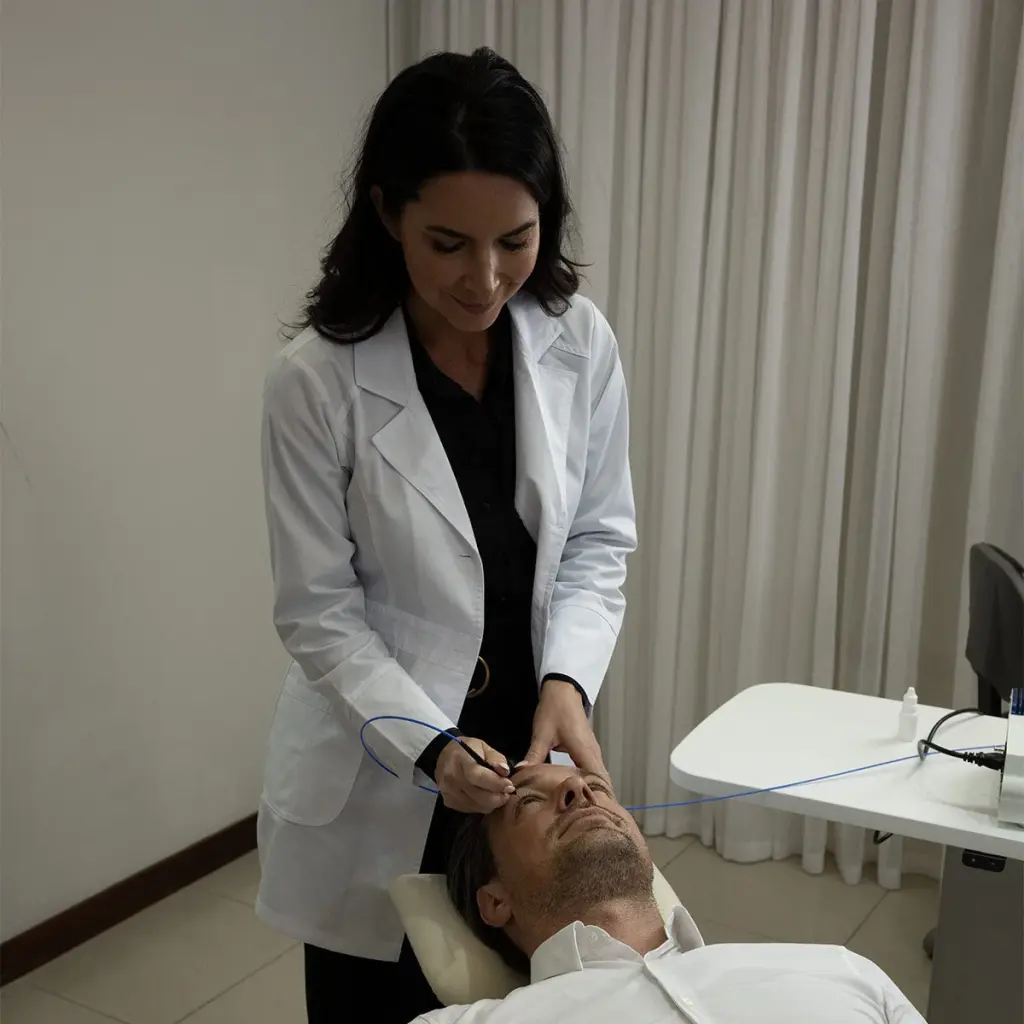
Merilas 532 procedure in a dimly lit treatment room
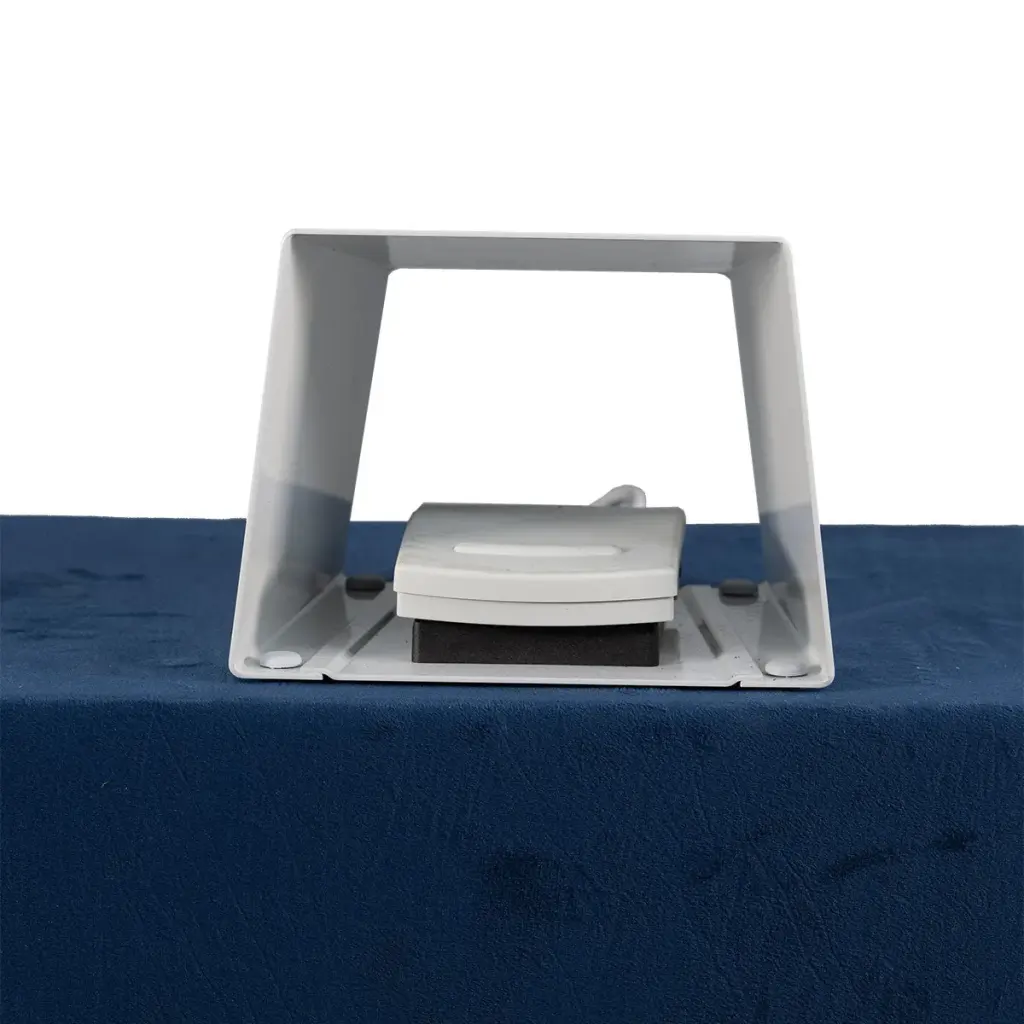
Merilas 532 foot switch
Merilas 532 console with a blue fiber-optic probe
Close-up of a laser probe handpiece and SMA fiber connector
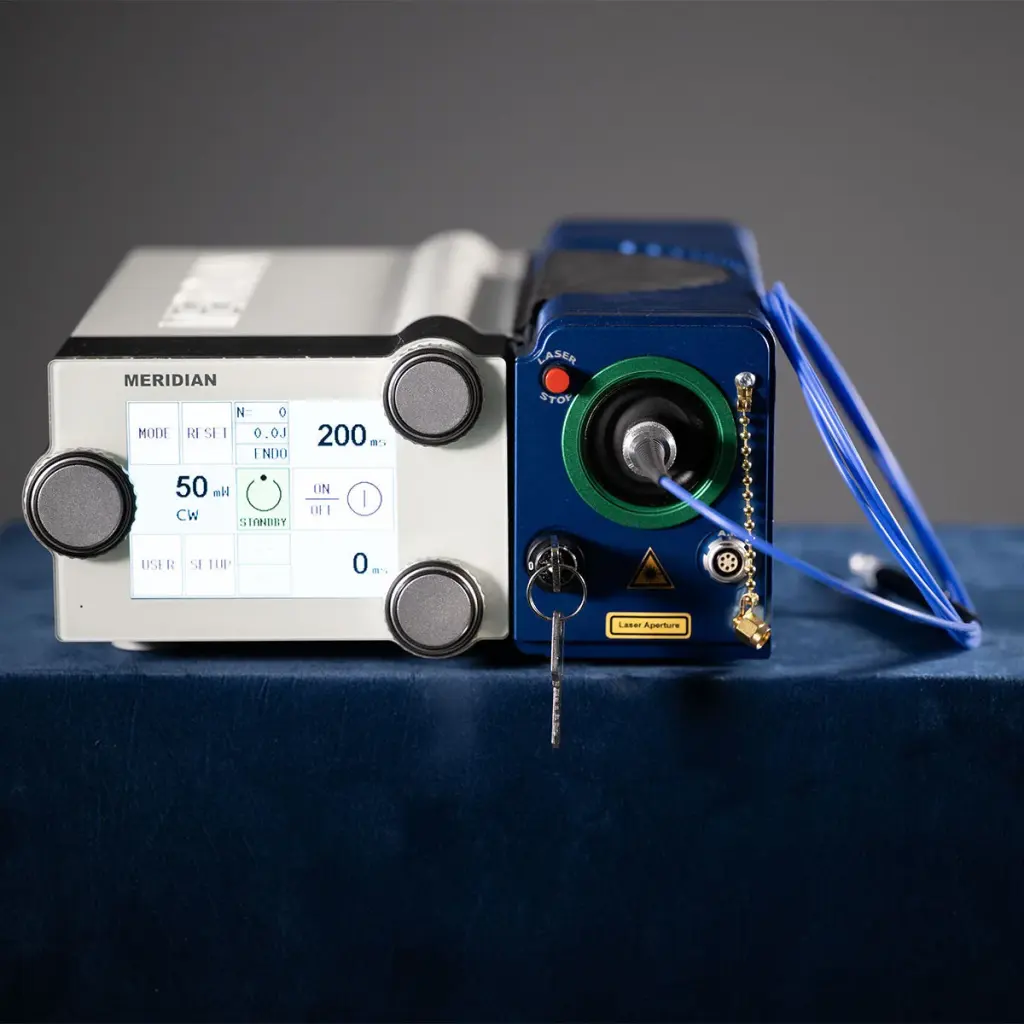
Merilas 532 console with a probe connected to the laser port

Superior Quality & Longevity

The Merilas housing is meticulously constructed using high-grade aluminum, lending it a unique solid feeling that reflects Meridian’s commitment to excellence. Additionally, the removable control panel boasts a crystal interface, ensuring durability, resistance, and effortless cleaning, further enhancing the laser’s overall performance. The thermoelectric cooling (TEC) system eliminates the need for ventilation slots, making a hermetically sealed unit, ensuring a dust-free system, increasing the longevity of the laser. The Merilas laser system incorporates a proprietary cavity design, boasting the shortest pulse duration and the highest quality cavity crystals. These carefully chosen cavity elements are thermally matched, ensuring optimal performance and durability, making the Merilas a top-tier choice for your laser needs.

The Merilas laser’s robustness is exemplified by its compact aluminum housing. This well-engineered design effectively protects the sensitive internal components, contributing to the laser’s overall resilience and long-lasting performance.

Merilas 532 front control panel and laser aperture

Usability

At Meridian, we prioritize usability, and the Merilas lasers are no exception. Featuring intuitive commands, these lasers are designed to be effortlessly user-friendly. The detachable touch display, equipped with cutting-edge glass technology, offers unmatched flexibility, ensuring a truly ergonomic design. Navigating the user interface is a breeze, thanks to its straightforward and intuitive layout. Our team has carefully crafted the design to streamline your experience, allowing you to focus on what matters most – delivering exceptional patient care. Experience a peaceful treatment environment with Merilas’ thermoelectric cooling system. Say goodbye to disturbing noises and air turbulences, ensuring a serene and undisturbed atmosphere during procedures.

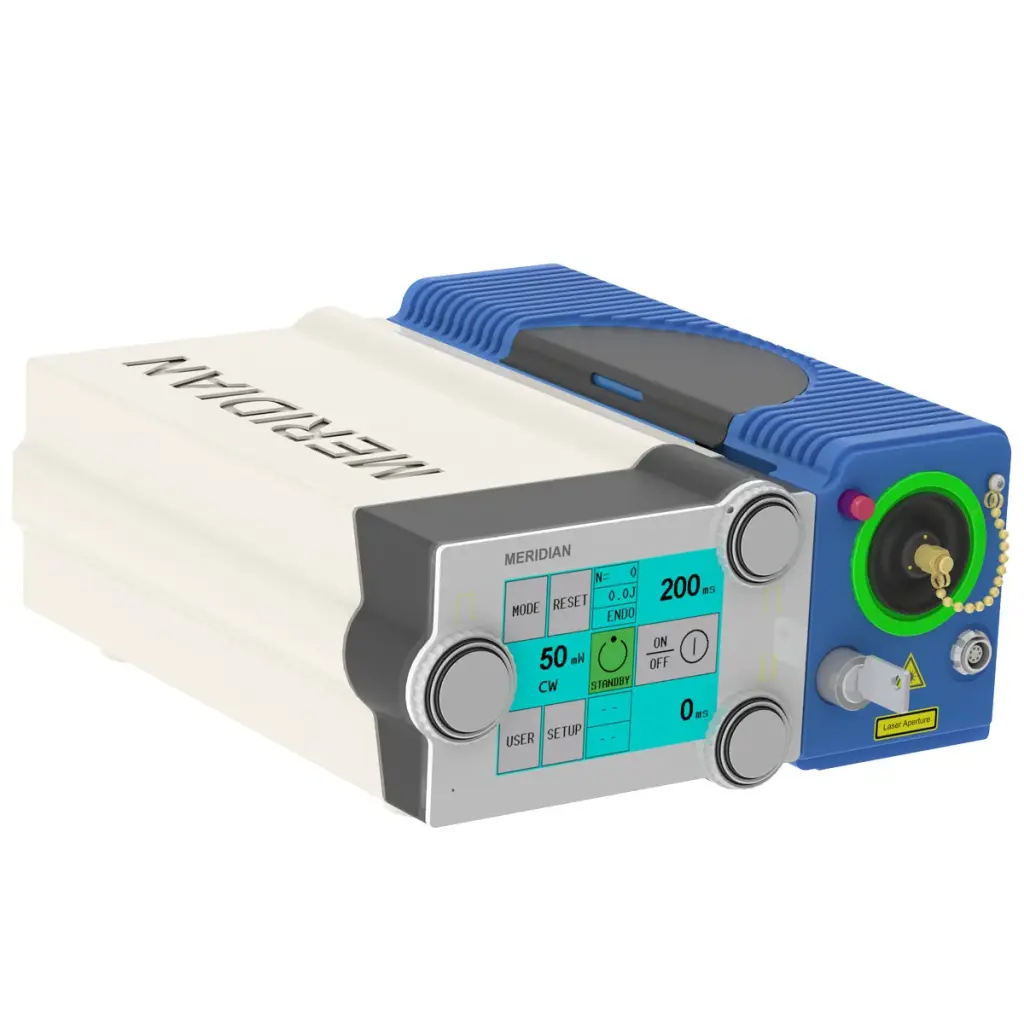
Merilas 532 console with touch control panel, angled view

Safety

At Meridian, safety is our utmost concern, and the Merilas lasers are equipped with cutting-edge features to ensure a secure and reliable treatment environment. The auto key connector system is a testament to our commitment to safety. Merilas lasers intelligently recognize the original probes and accessories connected to the console. This smart technology guarantees seamless compatibility and reduces the risk of using incompatible or unauthorized components. Rest assured that every Merilas laser delivers a stable and consistent laser output. This feature guarantees precision and accuracy during procedures, providing you with the confidence needed to focus on your patients’ well-being. We take calibration and measurement seriously. Each laser accessory is individually calibrated and measured to stringent standards, leaving no room for compromise when it comes to safety and efficacy. Corneal safety is paramount, and our lasers come equipped with specially designed adapters that prioritize the protection of this delicate area. This precautionary measure ensures that treatments are not only effective but also considerate of the patient’s eye health.

Close-up of the Merilas 532 laser aperture, key switch and connector

Flexibility & Comfort

At Meridian, we understand the importance of flexibility and comfort in your clinical practice. That’s why our Merilas lasers are thoughtfully designed to integrate seamlessly with a variety of slit lamp brands, be it Haag-Streit or Zeiss styles. This compatibility ensures that you can easily incorporate the Merilas laser system into your existing setup, allowing for a smooth and hassle-free transition.

Furthermore, the versatility of the Merilas lasers extends beyond slit lamps. They are fully compatible with laser indirect ophthalmoscopes and endoprobes, offering you a wide range of treatment options. This adaptability empowers you to cater to diverse patient needs, providing a comprehensive approach to eye care.

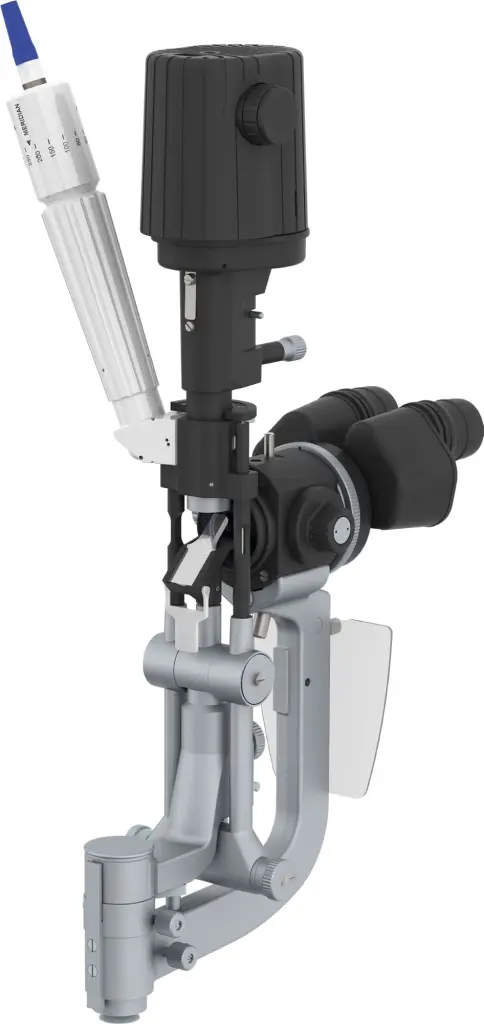
Merilas laser slit lamp adapter fitted to a slit lamp

Laser Excellence

The legacy of Meridian AG, now known as Meridian Medical Group, is deeply intertwined with the history of medical Nd:YAG lasers. The introduction of the Microruptor II, a groundbreaking innovation developed collaboratively by Meridian engineers and Dr. Frankhauser, revolutionized ophthalmology treatments. This pioneering technology opened new avenues in laser medicine, transforming the way numerous eye conditions were addressed. Driven by a commitment to continuous improvement, our development engineers continually strive to create and patent new technologies. We meticulously select and integrate top-tier Swiss and European laser components to ensure unrivaled quality and long-term reliability in our systems. Our engineering and integration practices are grounded in tried-and-tested methodologies, guaranteeing the highest performance standards. Behind the success of our cutting-edge systems is a team of highly skilled and experienced professionals dedicated to providing our customers with exceptional service and results. We take pride in delivering beyond expectations, consistently meeting the needs of our valued customers.

Tips for Your Laser

To maintain the peak performance of your laser system, we recommend yearly maintenance service. This keeps your laser operating to its specifications.

As a responsible laser user, it is essential to follow the safety advice provided by the manufacturer and adhere to the guidelines set forth by your regulatory body. Compliance with these guidelines ensures safe and efficient usage of the laser system.

For seamless and effective treatments, it is crucial to follow the intended use described in the Instructions for Use (IFU) provided by our company. Adhering to these instructions will help you achieve the desired outcomes with confidence and precision.

Clinical Indication

Photocoagulation: Retinal photocoagulation, pan-retinal photocoagulation (PRP) and intravitreal endophotocoagulation of vascular and structural abnormalities of the retina and choroids, including:

  • Proliferative and non-proliferative diabetic retinopathy
  • Choroidal neovascularization
  • Branch retinal vein occlusion
  • Age-related macular degeneration
  • Retinal tears and detachments
  • Retinopathy of prematurity
  • Macular edema
  • Lattice degeneration
  • Central retinal vein occlusion

Iridotomy:

  • Iridotomy in angle closure glaucoma

Trabeculoplasty:

  • Trabeculoplasty in open angle glaucoma

Why 532 nm? Wavelength Benefits

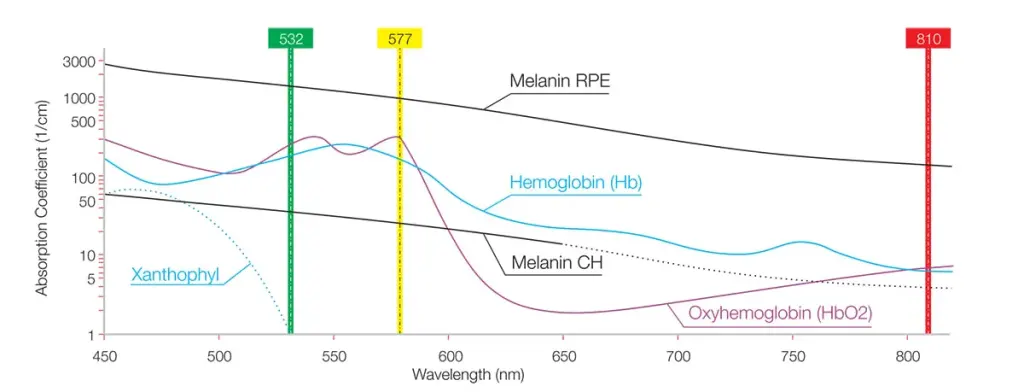
The wavelength of 532 nm is particularly beneficial for various retinal treatments, especially those involving the pigmented retinal epithelium (RPE). This is because the green light at this wavelength is most efficiently absorbed by the pigment melanin, which is abundant in the RPE. This makes 532 nm an ideal choice for laser treatments that target the RPE, such as those used in the treatment of age-related macular degeneration and other retinal diseases.

Absorption chart of melanin, hemoglobin and xanthophyll by wavelength, marking 532, 577 and 810 nm

The Principle of ShortPulse

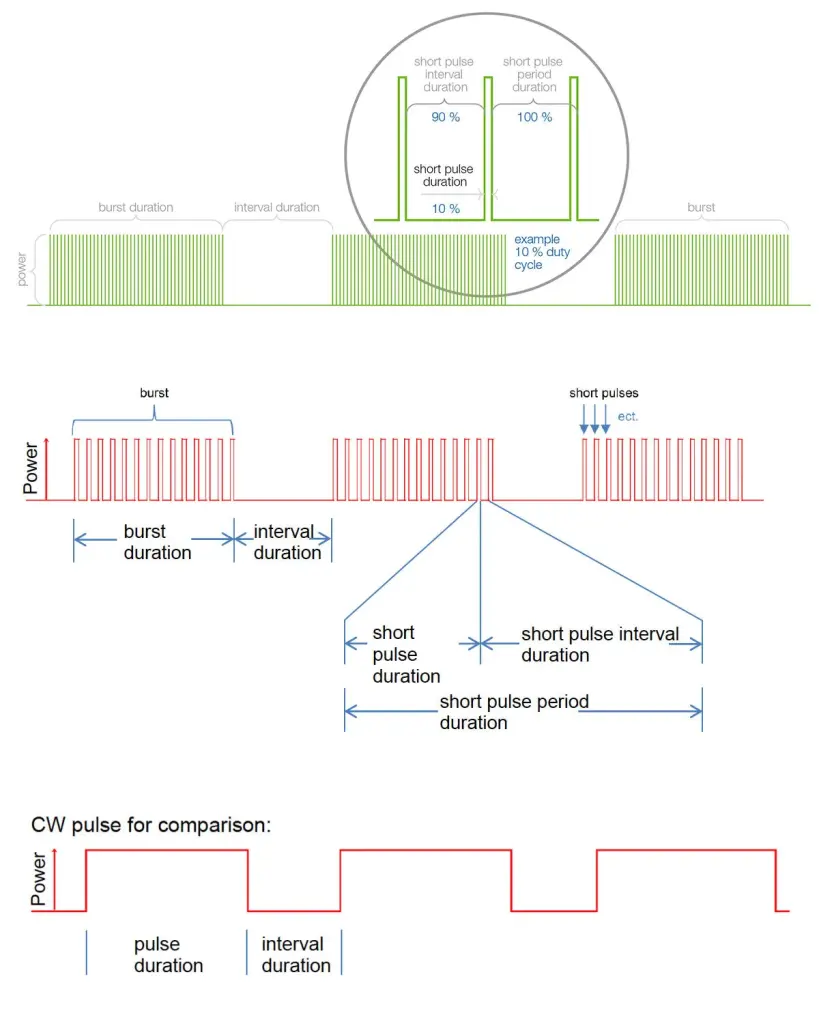
The principle of ShortPulse lies in its innovative pulse delivery mechanism. In this mode, a pulse duration is composed of numerous alternating short bursts and intervals. Unlike the continuous wave (CW) mode, the ShortPulse mode operates by delivering laser energy in precise bursts, resulting in minimal tissue heating. This gentle approach ensures that the targeted tissue is treated with the utmost care and precision, minimizing the risk of thermal damage.

By employing the ShortPulse mode, medical professionals can conduct treatments with enhanced control. This mode is particularly advantageous in delicate procedures, where preserving healthy tissues is of paramount importance. The ShortPulse technology represents a significant advancement in laser treatments.

Diagram of ShortPulse bursts and intervals compared with a continuous wave (CW) pulse

Available Treatments

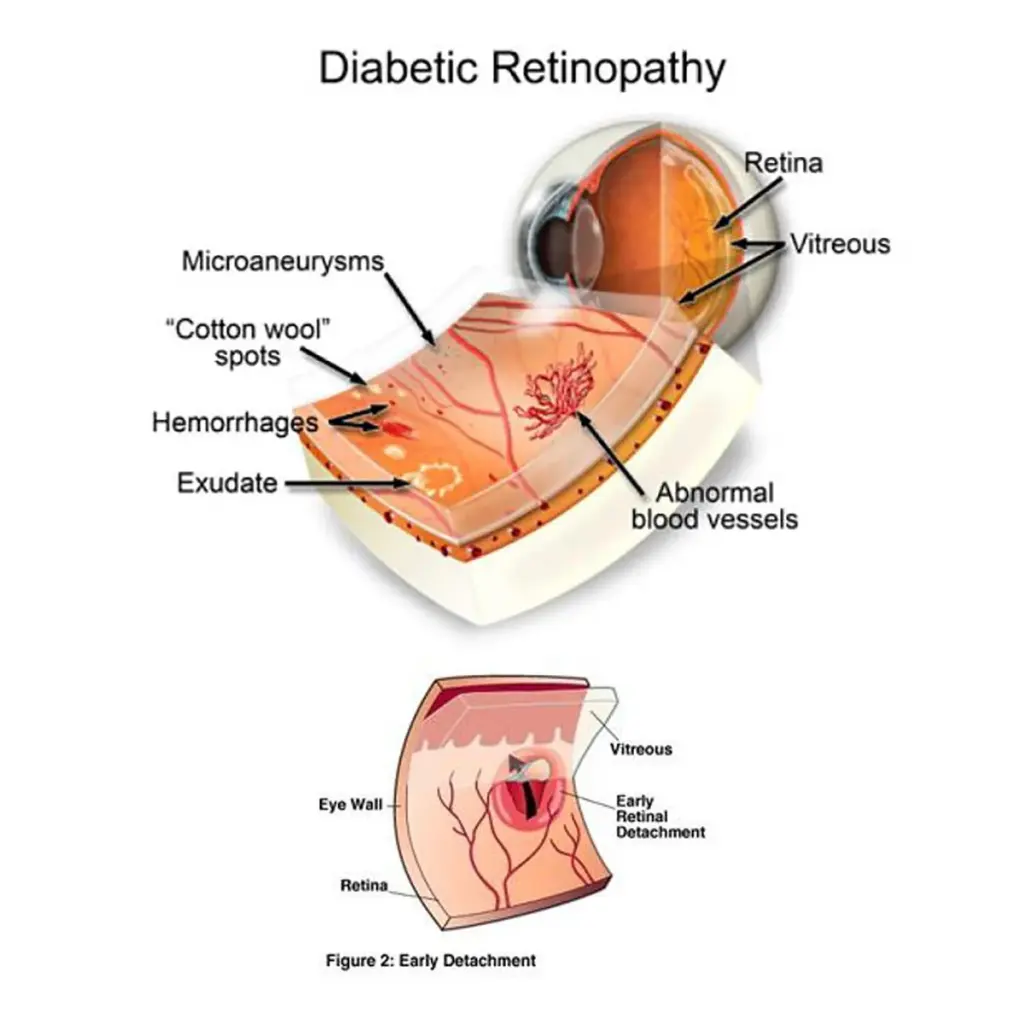
  • For proliferative diabetic retinopathy, panretinal photocoagulation (PRP) and anti-VEGF therapy are commonly used treatments.
  • Retinal tears and detachments can be treated through a process called “soldering” or “welding,” in which a laser is used to seal the retina back in place.
  • Ablation treatments, such as laser peripheral iridotomy (LPI), can be used to treat various eye conditions, including narrow-angle glaucoma.
Illustration of diabetic retinopathy and early retinal detachment

Accessories

The standard accessories include a foot switch, transport case, and safety goggles. The optional accessories include slit lamp adapters, laser indirect ophthalmoscope, safety filters (passive and active), endoprobes, and an external fan.

  • Foot switch (standard): The foot switch is used to turn the laser on and off. It allows the surgeon to operate the laser without using their hands, which can help improve accuracy and reduce the risk of accidental firing.
  • Transport case (standard): The transport case is used to store and transport the laser safely. It helps protect the device from damage during transportation and storage.
  • Safety goggles (standard): The safety goggles are worn by the surgeon and other personnel in the room to protect their eyes from the laser light. They help prevent eye damage and reduce the risk of accidental exposure to laser radiation.
  • External fan (optional): The external fan is used to cool the laser device during operation. Lasers generate a lot of heat, and the external fan helps prevent the device from overheating and potentially malfunctioning.
  • Slit lamp adapters (optional): The slit lamp adapters allow the laser to be used in conjunction with a slit lamp, which is a microscope used for examining the eye.
  • Laser indirect ophthalmoscope (optional): A laser indirect ophthalmoscope is an advanced diagnostic and therapeutic tool used in ophthalmology. It is a specialized instrument that combines a traditional indirect ophthalmoscope with laser capabilities. This device allows ophthalmologists to view and examine the retina, optic nerve, and other structures at the back of the eye with a wide-angle view.
  • Safety filters (passive & active) (optional): Passive safety filters are fixed or static filters that provide continuous protection without any active intervention. Active safety filters, on the other hand, are dynamic filters that can adjust their filtering properties based on changing conditions.
  • Endoprobes (optional): Also known as endoilluminators or endoillumination probes, endoprobes are specialized instruments used in ophthalmic surgery. They are designed to provide illumination and visualization during minimally invasive intraocular procedures.

Slit Lamp Adapter (Optional Accessory)

Meridian takes pride in its seamless integration of lasers with the Haag-Streit BQ slit lamp, solidifying its unique position as the exclusive laser company partnering with Haag-Streit. Our specially designed, high-quality filter perfectly complements the Haag-Streit BQ slit lamp, offering an uninterrupted view and access to the slit lamp on both 577 nm and 532 nm wavelengths. With Meridian’s slit lamp adapter, ophthalmologists and retina specialists can confidently perform procedures with precision and ease. The filter not only ensures exceptional light transmission but also prioritizes the safety of the user’s eyes. Your comfort and well-being during treatments are paramount, and our filters are thoughtfully engineered to provide superior protection.

Merilas laser slit lamp adapter fitted to a slit lamp

Universal Design

Merilas takes pride in its universal slit lamp adapter, designed to seamlessly couple with almost any Haag-Streit slit lamp, whether it is an original or a copy. Our adapter is thoughtfully engineered with multiple moving parts, ensuring outstanding adaptability to accommodate various Haag-Streit style slit lamps. The adapter’s adaptability is made possible by its robust construction, incorporating high-quality materials that enclose the fiber and guarantee exceptional durability. This design ensures a long-lasting and reliable performance, allowing you to focus on your practice without concerns about the equipment.

Delivery Systems: LIO Features

The delivery system for the Merilas 532 laser platform is optimized for exceptional performance. The laser is delivered coaxially with the user’s viewing axis, ensuring precise targeting and accuracy. The system features a standard LED module with a neutral LED cooler color that provides bright illumination while also extending battery life. The high-contrast optics and built-in filters further enhance the precision and effectiveness of the laser. Additionally, the system has an intelligent optical system that can automatically adjust the optics and mirrors for optimal performance. Finally, the delivery system comes with a high magnification lens that provides an additional 1.6x magnification for even greater precision and accuracy.

Laser indirect ophthalmoscope (LIO) headset with its fiber-optic cable

Delivery Systems: LIO Technical Specifications

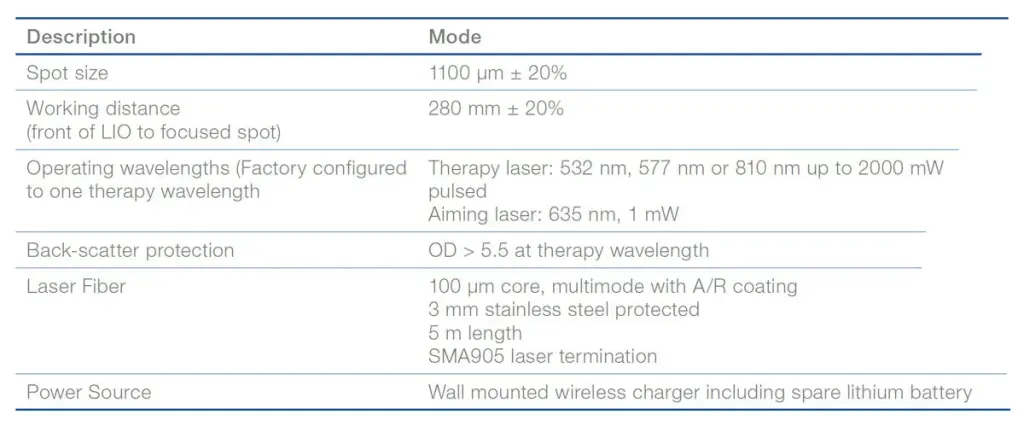
  • Spot size: 1100 µm ± 20%
  • Working distance (front of LIO to focused spot): 280 mm ± 20%
  • Operating wavelengths (factory configured to one therapy wavelength): therapy laser: 532 nm, 577 nm or 810 nm up to 2000 mW pulsed; aiming laser: 635 nm, 1 mW
  • Back-scatter protection: OD > 5.5 at therapy wavelength
  • Laser fiber: 100 µm core, multimode with A/R coating; 3 mm stainless steel protected; 5 m length; SMA905 laser termination
  • Power source: wall mounted wireless charger including spare lithium battery
Technical specifications table of the laser indirect ophthalmoscope (LIO)

Delivery Systems: Probes

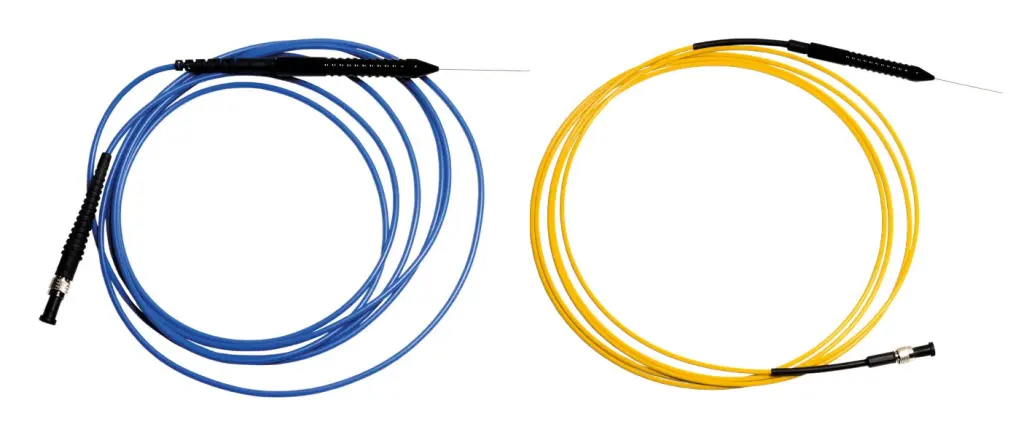
Meridian’s endoprobes are made by EMTRON with strict quality control to ensure high-quality polished fibre surfaces, resulting in even laser spots and eliminating the risk of “hot spots” during treatment. The endoprobes come with unique serial numbers, providing the highest level of traceability. They are CE-marked and sterilized individually for single use, ensuring optimal safety during procedures.

Two Merilas laser endoprobes, one with a blue fiber cable and one with a yellow fiber cable

Delivery Systems: Available Probes

The available probes for our delivery systems feature a comfortable and ergonomic grip design, ensuring a precise and safe fibre guidance for unparalleled treatment accuracy. The balanced hand-piece and standard SMA connector of the laser port enhance the user’s flexibility and versatility during procedures.

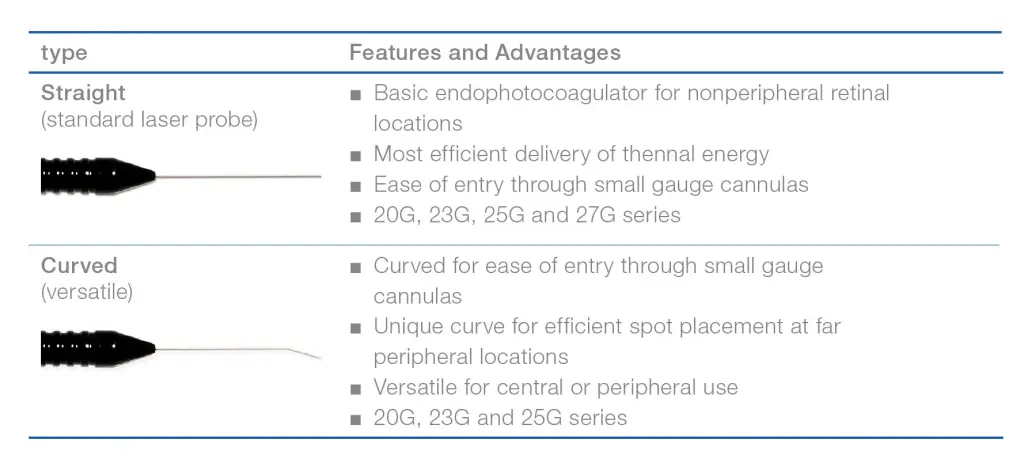
Straight (standard laser probe):

  • Basic endophotocoagulator for nonperipheral retinal locations
  • Most efficient delivery of thermal energy
  • Ease of entry through small gauge cannulas
  • 20G, 23G, 25G and 27G series

Curved (versatile):

  • Curved for ease of entry through small gauge cannulas
  • Unique curve for efficient spot placement at far peripheral locations
  • Versatile for central or peripheral use
  • 20G, 23G and 25G series
Table of straight and curved Merilas endoprobe types and their features

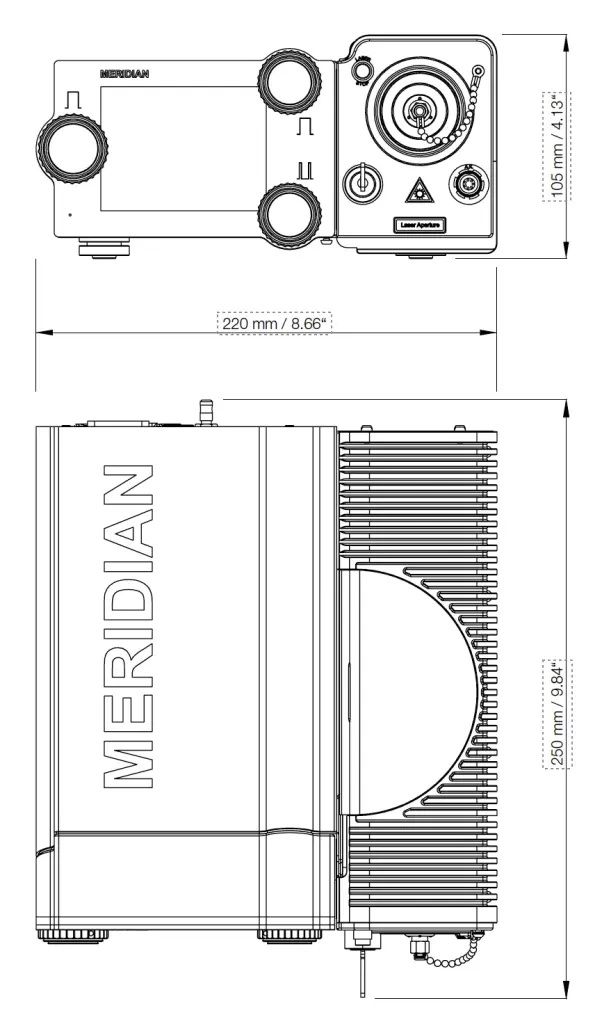
Dimensional Drawing

Front and top views of the Merilas 532 console with its dimensions.

Merilas 532 console dimensional drawing, front and top views


View the brochure

Specifications

Meridian Merilas 532 Shortpulse Green Laser Photocoagulator specifications
Safety Classifications Class 4
Wavelength 532 nm
Power Output 50 – 2500 mW
Pulse Duration CW (continuous wave, pulsed); 1 – 5000 ms
Pulse Interval 1 – 5000 ms
SP-Mode Settings shortpulse (continuous wave, chopped); shortpulse duration: 0.01 – 9.5 ms; shortpulse interval: 0.1 – 9.5 ms
Cooling TEC
Aiming Beam Diode 635 nm, (0-1 mW in 9 steps)
Dimensions 9.84" x 8.66" x 4.13"
Total Weight 15.4 lb
Power Requirements 100 – 240 V, 50/60 Hz, 2 A max.