

















Chargers are a key component of the handheld diagnostic instrument system, as they keep rechargeable handles always ready to power ophthalmoscopes, retinoscopes, and otoscopes. Their function is to recharge batteries efficiently and safely, ensuring powerful and consistent illumination throughout examinations. Available as desk-top bases —convenient, within easy reach, and optimizing workspace— quality chargers protect battery lifespan, prevent interruptions due to power failure, and ensure the instrument is always available when needed.

Our Models


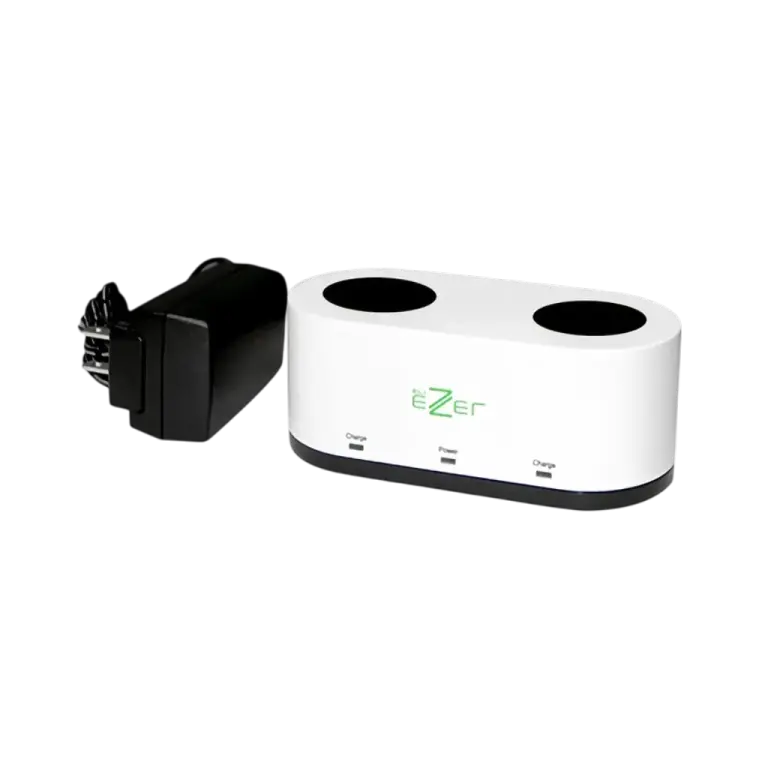
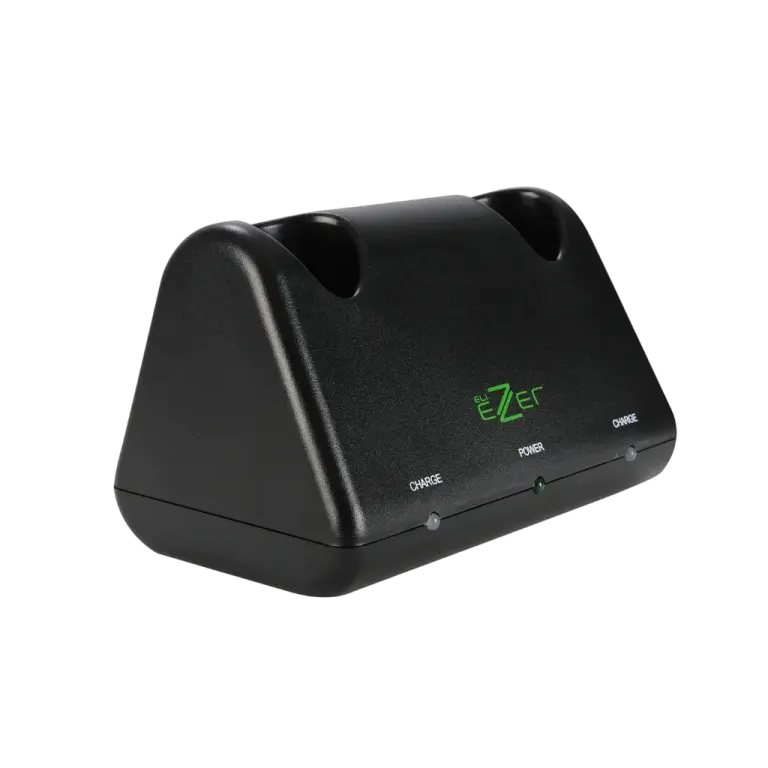
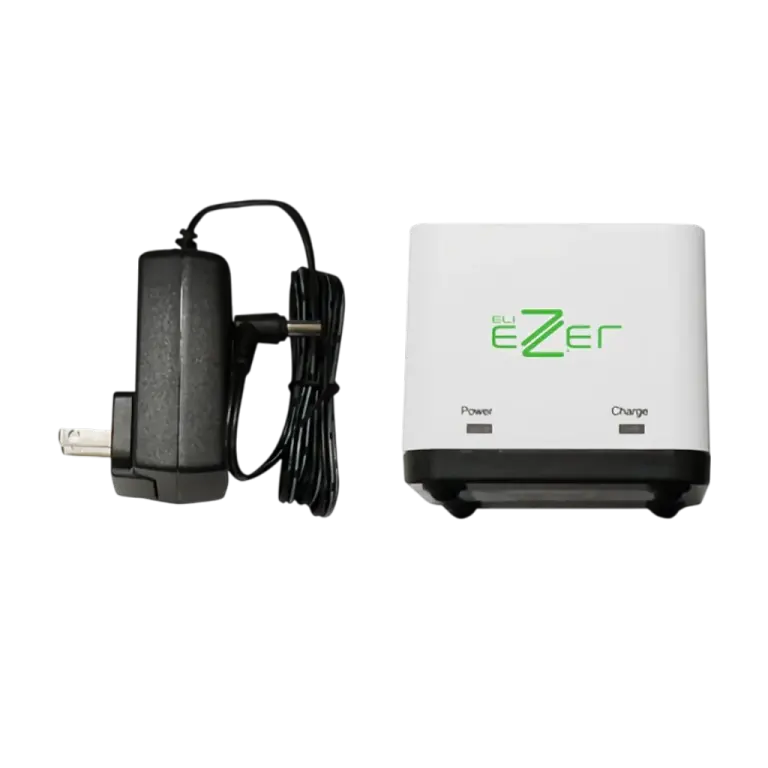
Ophthalmic Instrument Chargers
Every rechargeable handheld diagnostic instrument in the exam lane depends on a charger to stay ready for the next patient. Ophthalmic chargers are the desktop docking stations that recharge the battery handles powering direct and coaxial ophthalmoscopes, streak retinoscopes, and similar handheld instruments. Instead of swapping disposable cells, staff simply return the handle to its dock between exams, where the charge circuitry tops off the lithium-ion or lithium-polymer battery and holds it at full capacity until the instrument is needed again. A dedicated charger protects that battery, extends its service life, and prevents the dead-handle interruptions that slow a busy clinic or teaching lane.
At US Ophthalmic we stock chargers matched to the handheld systems eye-care practices actually run, including Neitz RC-series docks, Zumax universal desk chargers, and our own Ezer line. Because a charger has to match the specific handle and battery it serves, choosing the right one matters more than price alone. Our in-house technical and spare-parts department supports every charger and rechargeable handle we sell, and the equipment is backed by US warranty and service, so a worn adapter or an aging battery is a quick replacement rather than a reason to retire a good instrument.
How to choose an ophthalmic charger
- Match the charger to your handle and battery: Chargers are keyed to a specific rechargeable handle and battery chemistry, not just the instrument brand. A Neitz RC handle needs a Neitz RC dock, and some handles, such as the Neitz streak retinoscope, charge only on their dedicated charger. Confirm handle compatibility before you buy.
- Single vs. dual charging bays: Dual docks such as the NTZ-CHG-RC-II and Ezer EZ-CHG-5200 keep two handles charged at once for shared or high-volume lanes, while single docks like the NTZ-CHG-RC-III and EZ-CHG-3600 fit one handle per exam room.
- Battery type and smart charge control: Modern handles use lithium-ion or lithium-polymer cells that last longer with intelligent charging. Look for a charger with a proper charge profile, for example precharge-CC-CV, that tops the battery off and holds it without overcharging.
- Protection and medical safety: Exam-room chargers should guard against over-voltage, reverse polarity, and short circuits, and universal models such as the Zumax EZ-CHG-7800 are built to medical electrical safety standards (IEC 60601-1) for clinical use.
- Footprint and status indicators: Upright desk docks store the instrument optics-up to protect the head and save counter space, while orange and green status LEDs let staff see which handle is charged and ready without guesswork.
- Voltage and portability: Dual-voltage adapters that accept 100-240 VAC travel easily between offices, satellite clinics, and international sites, so the same charger works wherever the instrument goes.
Charger models we carry
The chargers below cover the handheld systems most US practices run, from brand-specific Neitz docks to versatile universal chargers. Match the model to the rechargeable handle you already own, or ask us to confirm the right pairing.
| Model | Type | Best for |
|---|---|---|
| NTZ-CHG-RC-II | Neitz dual desk charger | Practices running two Neitz RC battery handles that both need to stay docked and ready |
| NTZ-CHG-RC-III | Neitz single desk charger | A single Neitz RC handle, including LED ophthalmoscope and retinoscope models, at one exam lane |
| EZ-CHG-7800 | Zumax universal desk charger (single/two-cell Li-Ion and Li-Polymer) | Mixed handle inventories needing one charger across battery types, built to IEC 60601-1 |
| EZ-CHG-5200 | Ezer dual desk charger with precharge-CC-CV control | Keeping two Ezer handles fully charged at a shared or pretest station |
| EZ-CHG-3600 | Ezer single desk charger with power adapter | Compact single-handle charging for one room or portable and satellite clinics |
Frequently asked questions
How do I know which charger fits my instrument? Chargers are matched to a specific rechargeable handle and battery, not to the instrument head. Neitz RC battery handles use the NTZ-CHG-RC series, while Ezer and Zumax handles use the EZ-CHG series, and some instruments, such as the Neitz streak retinoscope handle, charge only on their dedicated dock. If you tell us the handle or instrument model you run, we will confirm the correct charger before you order.
Should I choose a single or double charger? It depends on how many handles live at a station. Double docks such as the NTZ-CHG-RC-II and EZ-CHG-5200 charge two handles at once, which suits shared lanes or a pretest station serving several rooms. Single docks like the NTZ-CHG-RC-III and EZ-CHG-3600 are ideal when one instrument stays in one exam room.
Can I buy just the charger or a replacement battery instead of a whole new instrument? Yes. We sell chargers, rechargeable handles, and batteries as standalone items, and our in-house service and spare-parts department supports them directly. A failed adapter or an aging battery is usually an inexpensive part swap, so there is no need to replace a functioning ophthalmoscope or retinoscope set.
New or refurbished, what should I consider for a charger? For chargers specifically, the charge-control and protection circuitry and the correct power adapter matter most, so a new unit backed by US warranty is the safest choice for exam-room use. We sell new, not refurbished; on a budget, contact us about open-box availability and confirm the unit's warranty term. Batteries lose capacity with age, so pair a charger with a current battery.
How long do the handles take to charge? Charge time varies by handle, battery chemistry, and charger model, and many desktop docks are designed for the handle to rest in the cradle between exams so it is always near full. Most Ezer desk chargers reach a full charge within a few hours, and status LEDs, orange while charging and green when ready, tell staff at a glance which handle is good to grab.
Related equipment & resources
Related categories: Instrument Handles · Diagnostic Wall Units · Diagnostic Sets.
Not sure which equipment to choose?
Get personalized guidance to find the ideal technology for your clinic's needs.
REQUEST QUOTE