








Skip to content
Search
+1 (888) 881-1122 REQUEST QUOTE

Clinical Areas:

Retina and Fundus

Glaucoma and Intraocular Pressure

Myopia Control

Cataract

Luxvision Trial Lens Set TL-232

REQUEST QUOTEor call toll-free (888) 881-1122Financing available — simple terms, no leasing. Ask about it in your quote request.

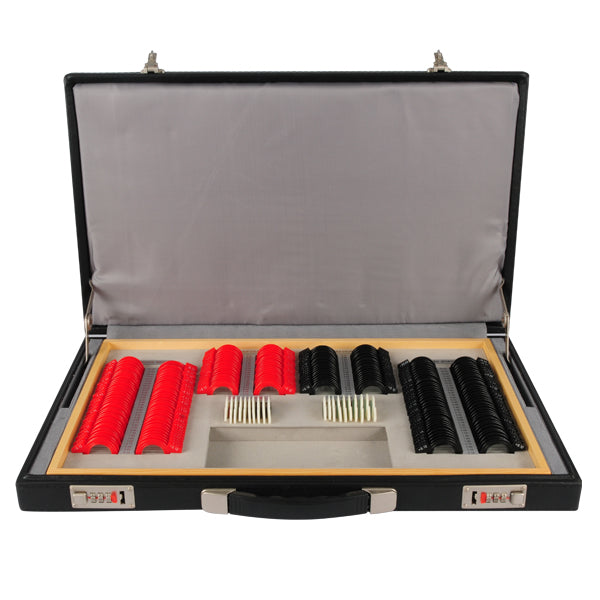
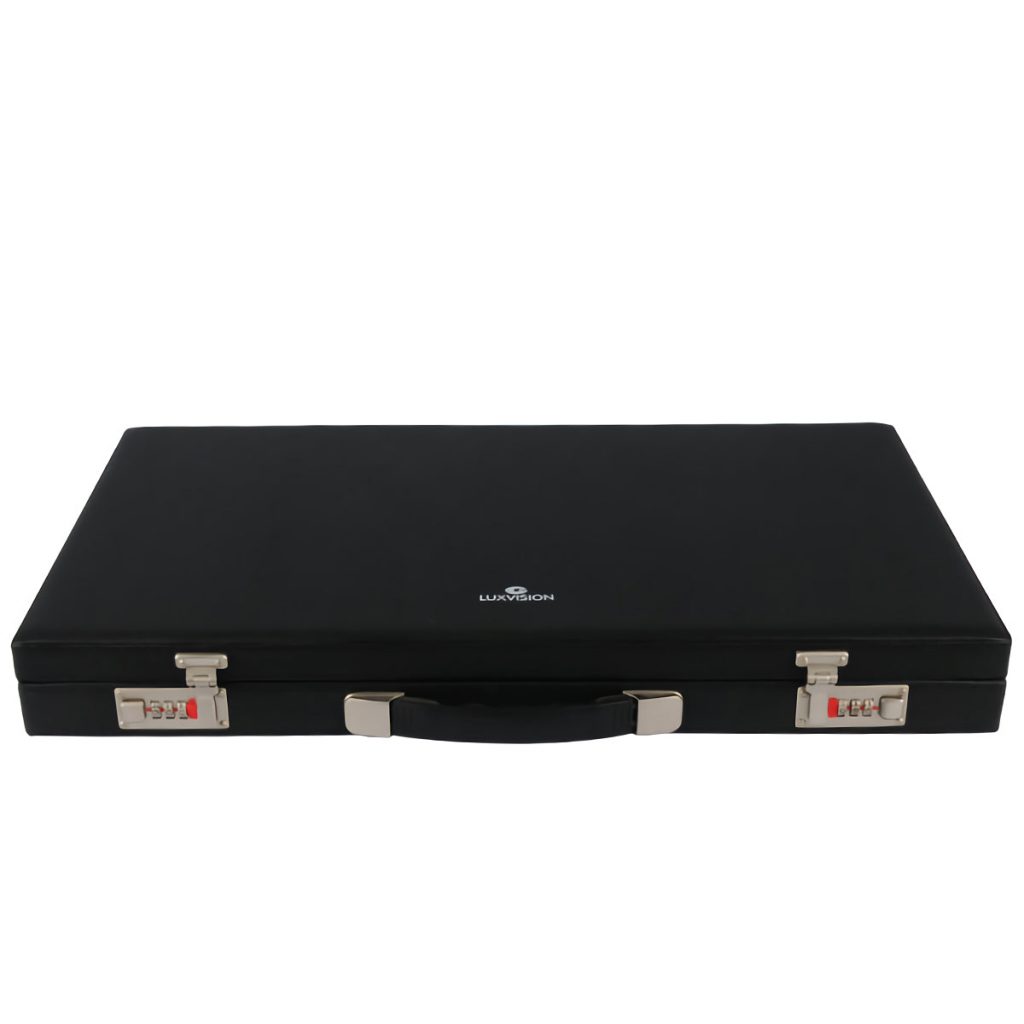
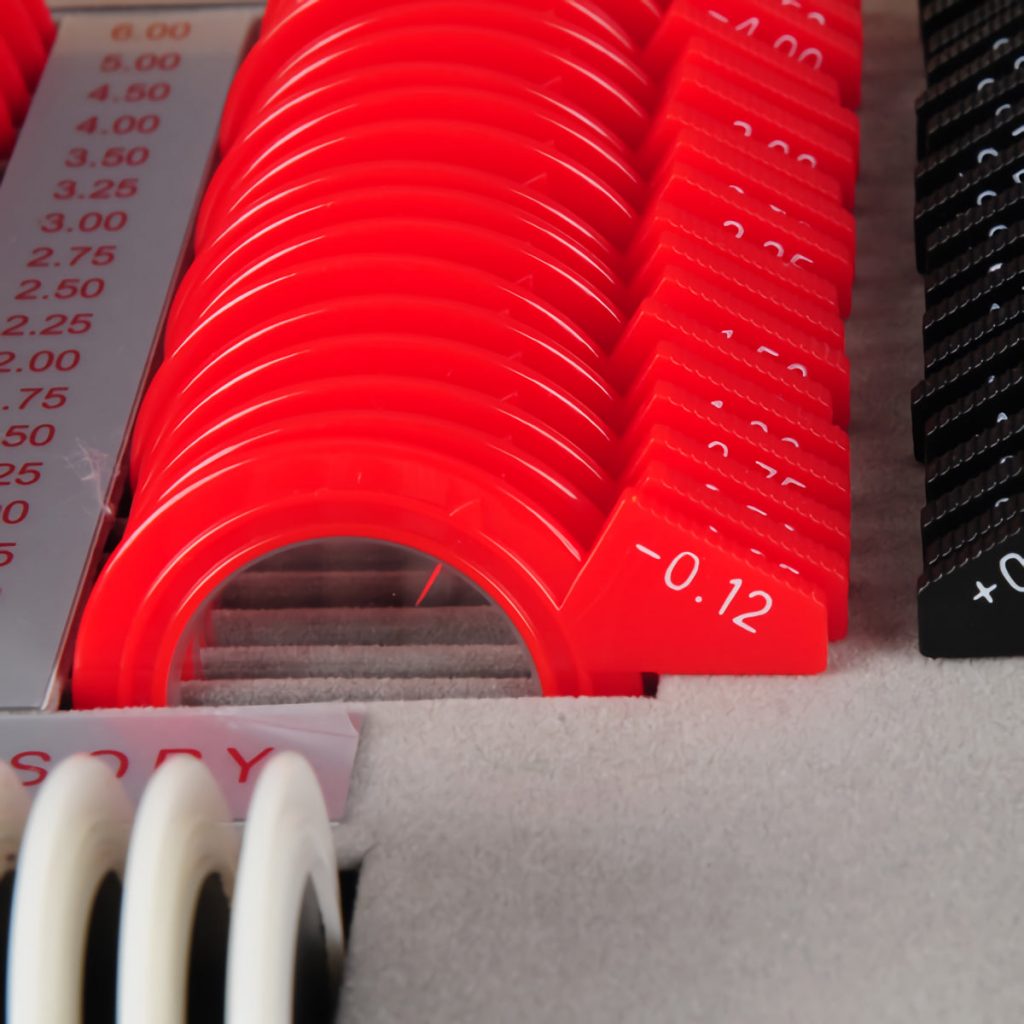
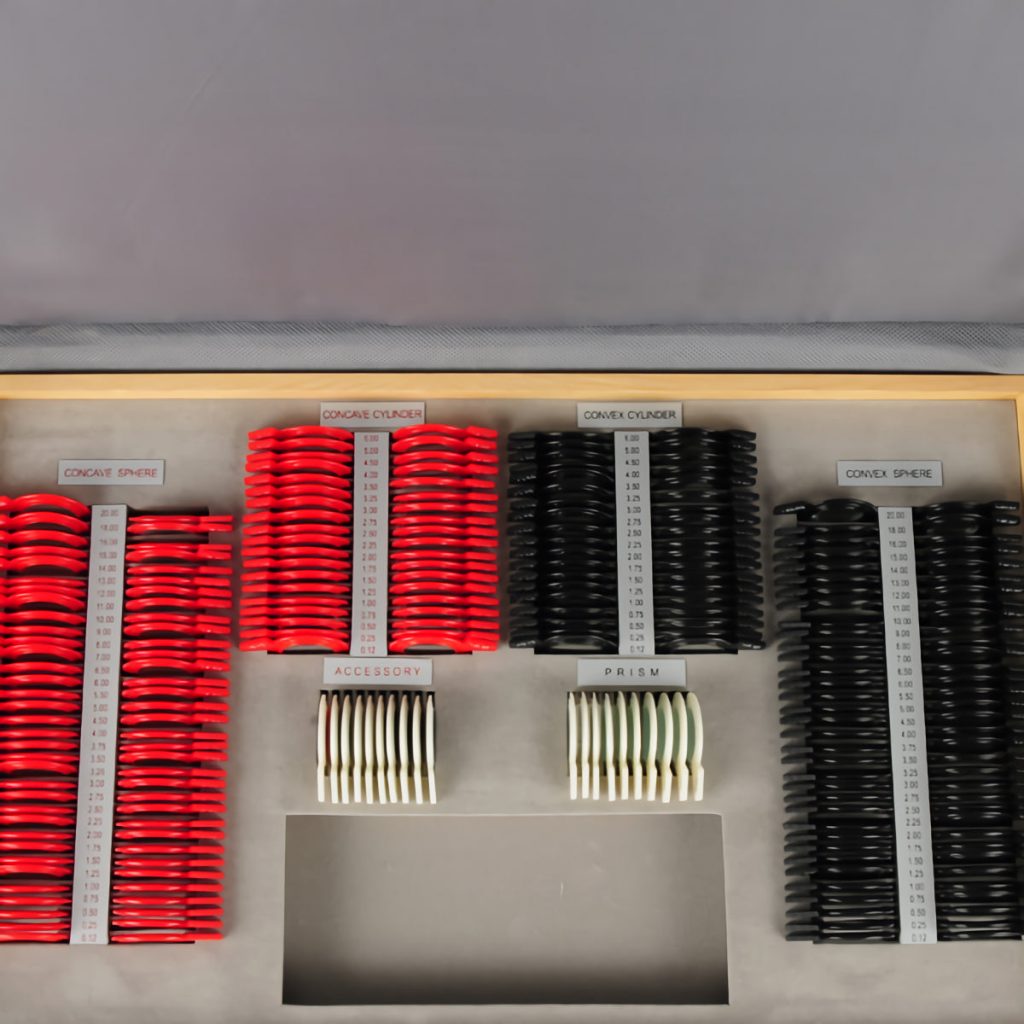
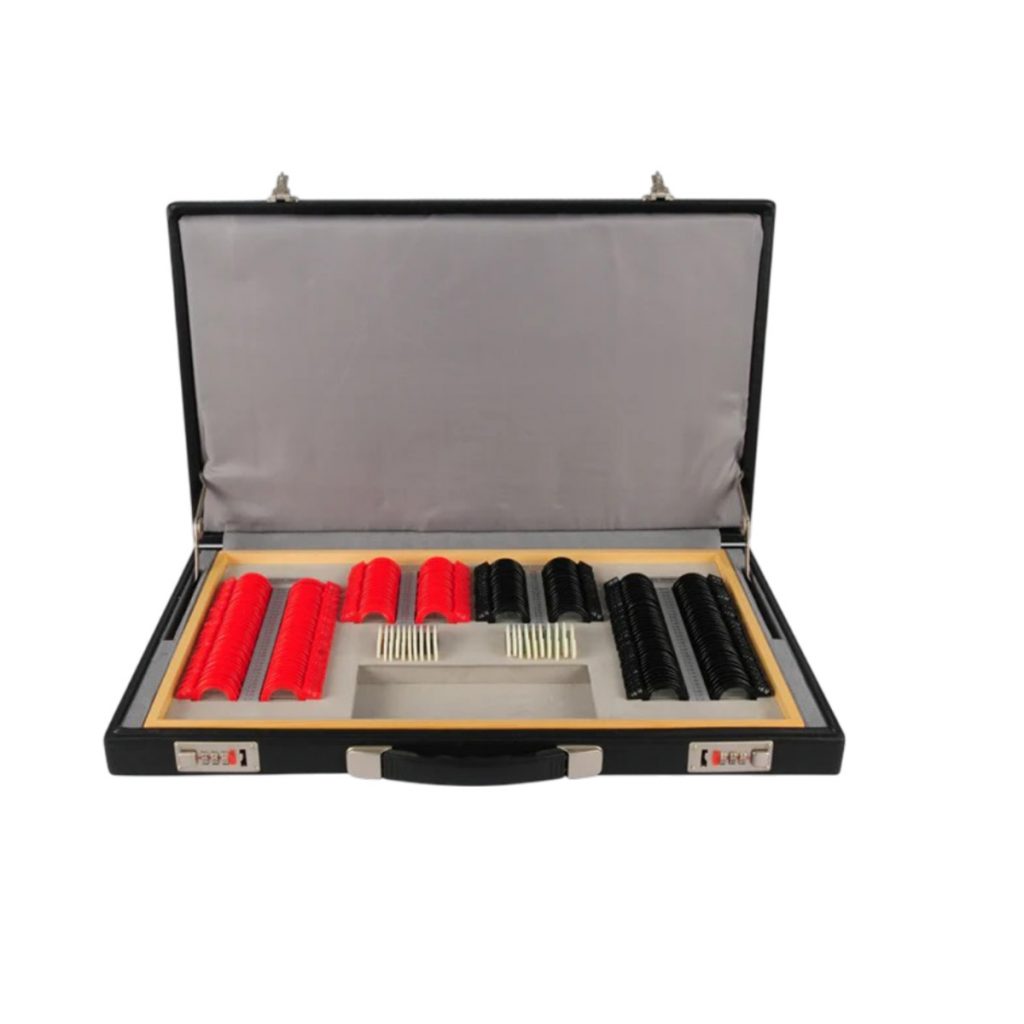
The Luxvision TL-232 Trial Lens Set features 232 pieces of reduced-aperture glass lenses with positive and negative cylinders secured in plastic rims. This trial lens kit comes in a leather case with a removable tray, diopter indicators, and dual combination locks for security. The wide range of spherical and cylindrical powers, along with a variety of accessory lenses, will allow you to perform more thorough vision testing. This classic form of refraction improves prescription accuracy particularly for low vision patients, offering a precise vertex distance, which is especially useful for patients with high refractive errors. Similarly, any patient who relies on eccentric viewing and needs to move their eyes or head to see around a scotoma can benefit greatly from trial frame refraction.

Available Options:

Case: Leather
Rims: Plastic

Trial Frame Not Included
Luxvision Trial Lens Set TL-232

232 high-precision glass lenses

Includes a wide range of spheres (±0.12D to ±20.00D) and cylinders (±0.12D to ±6.00D) with reduced apertures in plastic frames. Enables precise refractions for patients with high ametropia and low vision.

Exact vertex distance for high prescriptions

Trial lens refraction provides precise vertex distance, essential for patients with high refractive errors. It significantly improves the accuracy of the final prescription compared to automated methods.

Accessory lenses for comprehensive evaluation

Includes prisms up to 10∆D, color lenses for chromatic sensitivity and cataracts, as well as Maddox, slit, frosted occluder, and pinhole. Enables specialized functional evaluations in a single set.

Leather case with double lock

Removable tray with diopter indicators and a dual combination lock security system. Protects your investment and facilitates organization during the refractive examination.

Luxvision TL-232 Trial Lens Set

Spheres

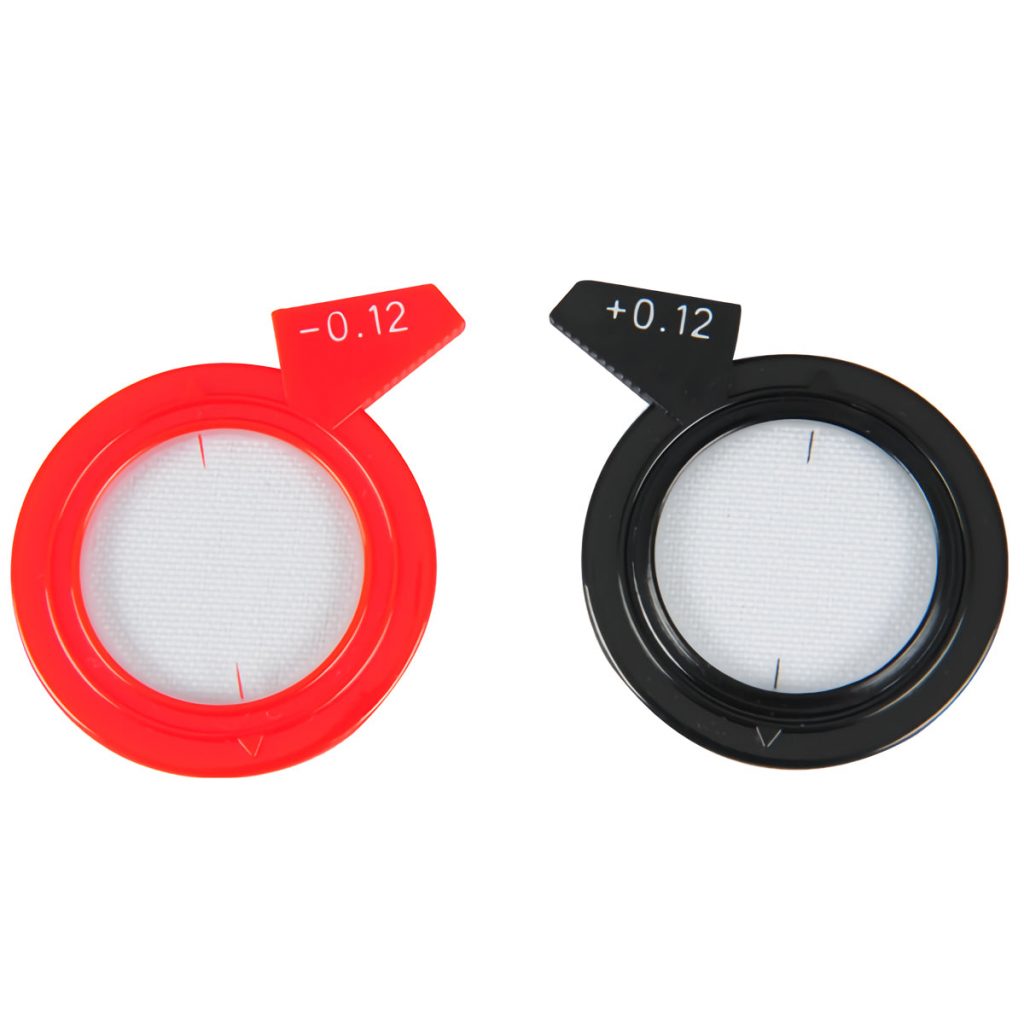
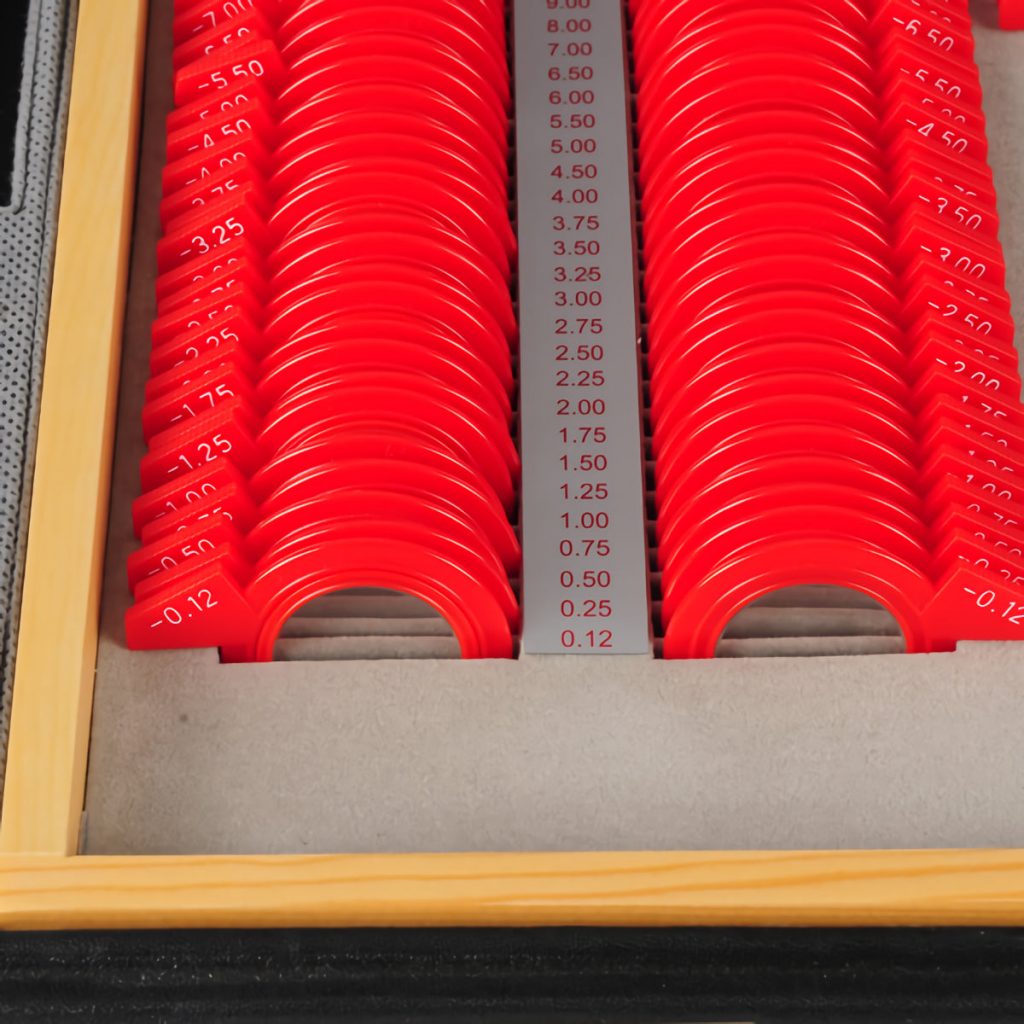
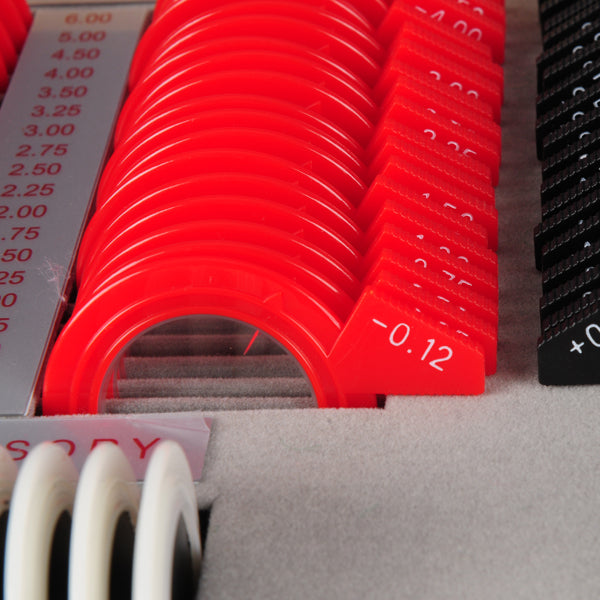
The kit includes both concave (-) and convex (+) spherical lenses for examining myopia, hyperopia, and presbyopia. Powers range from ± 0.12 D to ± 20.00 D.

Luxvision Trial Lens Set TL-232 – image 1

Cylinders

Examine astigmatism with the positive and negative cylindrical lenses included in the TL-232. Powers range from ± 0.12 D to ± 6.00 D.

Prisms

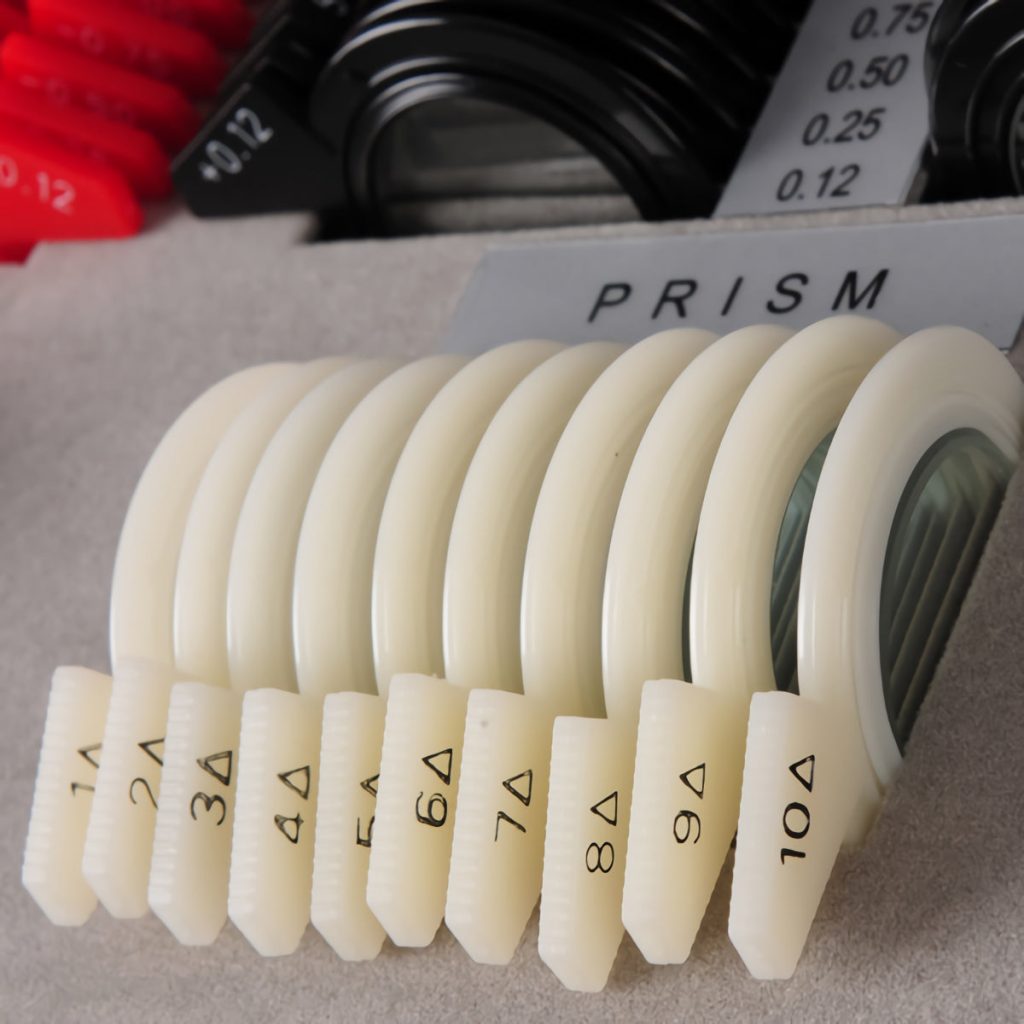
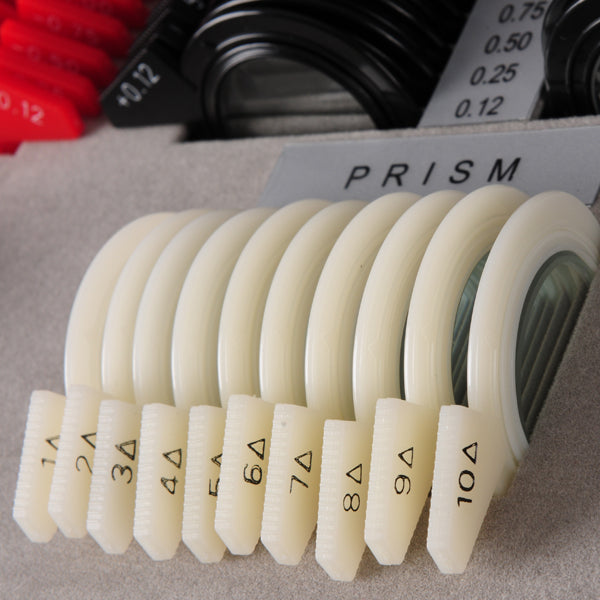
With the TL-232 trial lens kit you can perform prism tests of up to 10 ∆D.

Luxvision Trial Lens Set TL-232 – image 2

Frosted Lens

Use this semi-transparent coverage lens for infants or, outside the office, as an occluder.

Slit Lens

Examine astigmatism by rotating this lens in front of the eye.

Color Lenses

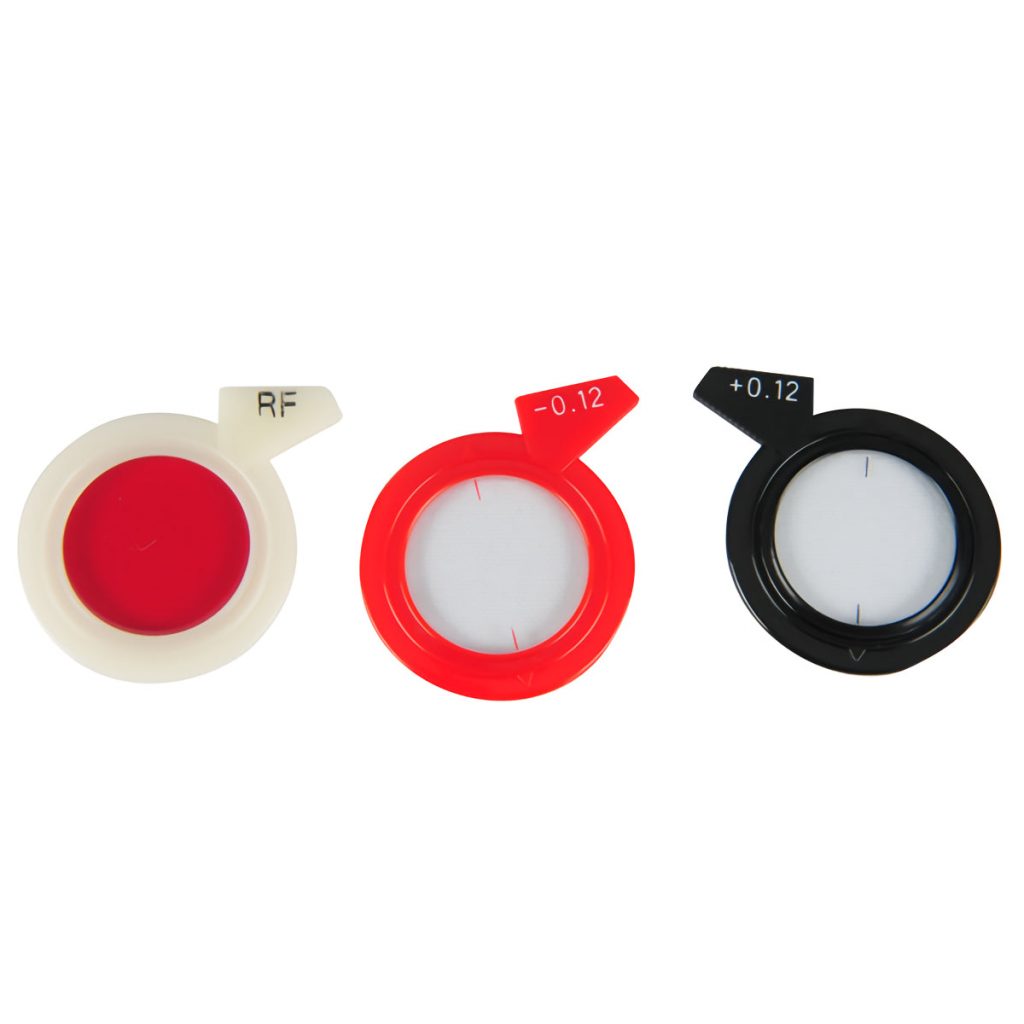
The TL-232 includes red, green, blue, yellow, and dark brown color lenses for examining color sensitivity. These lenses are especially useful for patients with cataracts, as well as in color blindness testing.

Additional Lenses

The TL-232 also includes Maddox, plano, occluder, and pinhole lenses.

Safety Case

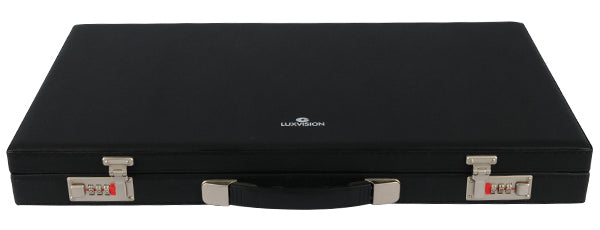
The TL-232 is offered in a leather case with double combination lock for added security.

Luxvision Trial Lens Set TL-232 – image 3


Detailed Specifications

Concave Sphere (-) Convex Sphere (+) Concave Cylinder (-) Convex Cylinder (+) Prism Accessories
Diopter Qty. Diopter Qty. Diopter Qty. Diopter Qty. Diopter Qty. Diopter Qty. Value Qty. Element Qty.
0.12 2 6.00 2 0.12 2 6.00 2 0.12 2 0.12 2 1.00 1 Maddox 1
0.25 2 6.50 2 0.25 2 6.50 2 0.25 2 0.25 2 2.00 1 Frosted lens 1
0.50 2 7.00 2 0.50 2 7.00 2 0.50 2 0.50 2 3.00 1 Pinhole 2
0.75 2 8.00 2 0.75 2 8.00 2 0.75 2 0.75 2 4.00 1 Occluder 2
1.00 2 9.00 2 1.00 2 9.00 2 1.00 2 1.00 2 5.00 1 Slit 1
1.25 2 10.00 2 1.25 2 10.00 2 1.25 2 1.25 2 6.00 1 Red filter 1
1.50 2 11.00 2 1.50 2 11.00 2 1.50 2 1.50 2 7.00 1 Green filter 1
1.75 2 12.00 2 1.75 2 12.00 2 1.75 2 1.75 2 8.00 1 Plano lens 1
2.00 2 13.00 2 2.00 2 13.00 2 2.00 2 2.00 2 9.00 1 — —
2.25 2 14.00 2 2.25 2 14.00 2 2.25 2 2.25 2 10.00 1 — —
2.50 2 15.00 2 2.50 2 15.00 2 2.50 2 2.50 2 — — — —
2.75 2 16.00 2 2.75 2 16.00 2 2.75 2 2.75 2 — — — —
3.00 2 18.00 2 3.00 2 18.00 2 3.00 2 3.00 2 — — — —
3.25 2 20.00 2 3.25 2 20.00 2 3.25 2 3.25 2 — — — —
3.50 2 — — 3.50 2 — — 3.50 2 3.50 2 — — — —
3.75 2 — — 3.75 2 — — 4.00 2 4.00 2 — — — —
4.00 2 — — 4.00 2 — — 4.50 2 4.50 2 — — — —
4.50 2 — — 4.50 2 — — 5.00 2 5.00 2 — — — —
5.00 2 — — 5.00 2 — — 6.00 2 6.00 2 — — — —
5.50 2 — — 5.50 2 — — — — — — — — — —

Set Components

Spheres

The curved surface is part of the spherical lens and the dioptric power is equal at all axis positions. After passing through the lens, the light beam converges at a point (or at a virtual focus). Spherical lenses include concave (-) and convex (+) lenses, and are used to examine myopia, hyperopia, and presbyopia.

Cylinders

The curved surface is part of the cylindrical lens and the dioptric power is not equal at all axis positions. After passing through the lens, the light beam converges into a straight (or broken) line. Cylindrical lenses include concave and convex versions, used to examine astigmatism.

Prisms

The tangent plane of a prismatic lens is wedge-shaped. When passing through the lens, the light beam deflects toward the base and the object shifts toward the edges. This type of lens is used to assess the ocular musculature, deviation, and latent deviation, as well as to exercise the eye muscles.

Occluder

Opaque lens used to cover the patient’s non-examined eye in a dark room.

Frosted Lens

Semi-transparent covering lens, used mainly for infants or, outside the office, as an occluder.

Slit Lens

At its center it has a slit through which light passes, while the rest of the lens blocks it. By rotating this lens in front of the eye, astigmatism can be examined: if vision improves or worsens at a given axis position, astigmatism is present; if it does not change, its existence is ruled out.

Plano Lens

Transparent, flat lens that does not deflect light passing through it. It is used to examine simulated blindness (false blindness).

Color Lenses

Available in different colors —red, green, blue, yellow, and dark brown—, they are used to examine color sensitivity. In patients whose dioptric image is cloudy (for example, with cataracts), the red or green lenses are suitable. They are also used for re-inspection and color blindness examination.

Maddox

On its surface it has a series of rods through which a point of light is transformed into a line perpendicular to those rods.

Pinhole

At its center it has a small hole through which the light beam passes, forming an artificial pupil. It is used to improve the diopter, especially astigmatism, when placed in front of the eye.

Manuals & Catalogs

Catalogs

Luxvision Trial Lens Set TL-232

Luxvision Trial Lens Set TL-232 – catalog cover
Manuals

Luxvision Trial Lens Set TL-232

Luxvision Trial Lens Set TL-232 – manual cover